

WHO Warns of Growing Health Crisis Across Eastern Mediterranean
Region Faces Half of Global Humanitarian Burden Amid Funding Shortfalls
The World Health Organization (WHO) has warned that the Eastern Mediterranean Region is facing unprecedented humanitarian and health challenges, with nearly half of the world’s humanitarian burden concentrated in the region.
WHO Regional Director for the Eastern Mediterranean, Dr Hanan Balkhy, said the region accounts for less than 10% of the global population but represents almost 50% of people affected by humanitarian crises worldwide.
She said WHO requires $1.12 billion for emergency operations in 2026, with more than half needed for the Eastern Mediterranean, but over 40% of the required funding remains unavailable.
Dr Balkhy highlighted ongoing crises in Gaza, Lebanon, Sudan, Afghanistan, Yemen and Somalia, along with drought impacts in the Horn of Africa and wider regional tensions affecting multiple countries.
She warned that funding shortages are affecting access to essential services, including maternal care, vaccinations, medicines, and outbreak prevention.
Gaza Health System Under Severe Pressure
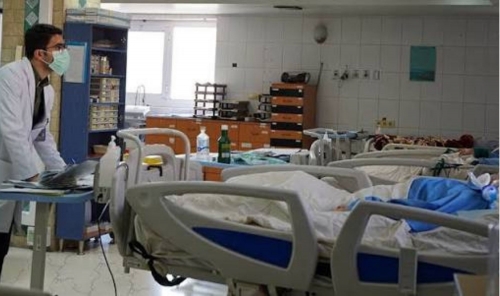
WHO said Gaza’s healthcare system remains devastated, with hospitals facing critical shortages of medicines, fuel and specialised medical staff.
More than 214,000 communicable disease cases were reported in May, while at least 43,000 people require long-term rehabilitation due to serious injuries.
WHO continues supporting trauma care, medical evacuations, rehabilitation, disease monitoring and emergency supplies, but warned that the health crisis could become a long-term public health challenge.
Lebanon Crisis Deepens
In Lebanon, WHO reported that more than 4,200 people have been killed and over 12,000 injured since the escalation of hostilities.
The organisation said attacks on healthcare facilities have killed health workers and disrupted medical services, while displacement continues to limit access to care.
WHO and partners have provided more than 410,000 health consultations and trained over 1,000 healthcare workers to support emergency response.
Related Posts