

Korea turns to Red Sea routes for crude as Hormuz blockade continues
Email: online@newsofbahrain.com
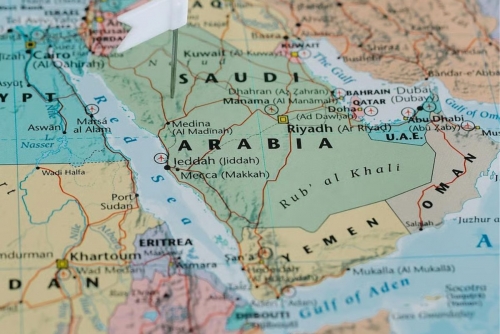
SEOUL: South Korea has officially authorized crude oil shipments through the Red Sea, a strategic pivot aimed at bypassing the ongoing blockade of the Strait of Hormuz. During a Cabinet meeting, Industry Minister Kim Jung-kwan announced that Korean tankers meeting strict safety criteria can now load crude at Saudi Arabia’s western port of Yanbu.
This ‘Red Sea Lifeline’ allows Seoul to bypass the volatile Persian Gulf by using overland pipelines to transport oil from Saudi fields directly to the western coast.
The decision comes as 26 Korean-flagged vessels remain anchored, unable to navigate the Strait due to Tehran’s de facto closure of the waterway. Unlike some international counterparts, Seoul has firmly refused to pay ‘transit tolls’ or engage in unilateral concessions with Iran.
The government maintains that such payments would set a dangerous political precedent, choosing instead to rely on multilateral diplomacy and coordinated international pressure to restore free navigation.
To secure this new route, the Ministry of Oceans and Fisheries has activated a 24-hour situation room for real-time tracking, while the naval Cheonghae Unit provides security overwatch. This military presence is designed to deter interference as domestic energy providers transition to these longer, more complex logistical paths to protect national petroleum reserves.
With the U.S. deadline for Iran fast approaching, South Korea is also dispatching special envoys to Algeria, Oman, and Saudi Arabia to further diversify its supply.
By activating the Red Sea bypass, Seoul aims to insulate its economy from a potential oil price surge while upholding international maritime law. The strategy reflects a broader move toward ‘blockade-proof’ energy corridors during this period of extreme regional instability.
Related Posts