

Top Facts to Know Before Iran–US Nuclear Talks Resume in Geneva
Email: online@newsofbahrain.com
As Iran and the United States prepare to return to negotiations in Geneva, diplomatic engagement is unfolding alongside heightened military activity and intense regional scrutiny.
Here are the ten key facts shaping the second round of talks.
1. Talks are resuming under mediation and tight timelines
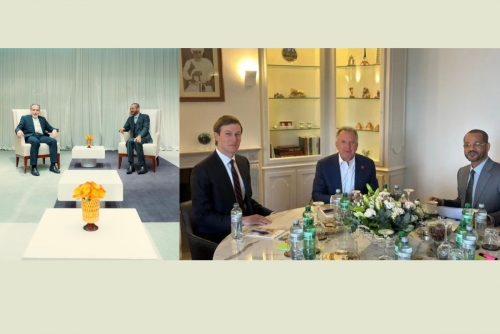
The negotiations are being held indirectly, with Oman continuing to serve as a key intermediary. Delegations last met on February 17 and agreed only on broad guiding principles. Officials now confirm that a third meeting is scheduled for Thursday, although no framework agreement has yet been reached.
2. Core Dispute: Uranium Enrichment
The principal dispute continues to centre on Iran’s uranium-enrichment programme. Washington is pressing Tehran to significantly scale back its enrichment activities and dismantle sensitive infrastructure. Iran, however, insists it has a legal right to enrich uranium for peaceful purposes under international rules and rejects any demand for a complete halt.
3. Iran’s concession Offers
Senior Iranian officials have indicated willingness to dilute part of their highly enriched uranium stockpile and to explore participation in a regional enrichment consortium but without transferring nuclear material outside the country. Iranian negotiators have also floated the possibility of allowing limited US participation in Iran’s energy sector as part of a broader economic package.
4. Sanctions relief is Tehran’s central demand
For Iran, meaningful sanctions relief is non-negotiable. Officials argue that easing restrictions on oil exports, banking access and foreign investment must be directly tied to any nuclear concessions. Tehran continues to insist that progress on nuclear issues and the lifting of sanctions cannot be separated.
5. A US military build-up is shaping the atmosphere around the talks
The United States has expanded its naval and air deployments across the wider Middle East. American officials describe the posture as defensive and designed to reinforce deterrence, while also underlining that military options remain available should diplomacy fail.
6. Iran maintains its programme is peaceful and open to monitoring
Iran’s foreign minister says the country is not seeking nuclear weapons and is prepared to pursue confidence-building measures through enhanced monitoring by the International Atomic Energy Agency. However, Tehran continues to reject any arrangement that would eliminate enrichment altogether.
7. Military signalling near strategic waterways has intensified
During the diplomatic process, Iran has conducted high-profile military drills near the Strait of Hormuz, a critical route for global oil shipments. The exercises are widely viewed as a reminder of Tehran’s capacity to influence regional shipping and energy security.
8. Trump has introduced pressure and political urgency
US President Donald Trump has publicly warned that negotiations cannot drag on indefinitely. He has signalled both implicit and explicit timelines for progress and repeated that serious consequences could follow if talks collapse.
9. Iran’s Internal and Regional Responses
Inside Iran, leaders continue to defend the nuclear programme as peaceful, even as domestic pressures and political tensions complicate the negotiating environment. Iranian officials have also made clear that missile capabilities and regional influence are not on the table in the Geneva discussions.
10. Israel and other allies are pressing for tougher limits
Close US ally Israel remains deeply sceptical of any agreement that leaves Iran with enrichment capacity. Israeli officials continue to urge Washington to seek stricter limits on both nuclear and missile programmes, reflecting broader regional fears of strategic imbalance.
Why this round matters
The renewed Iran–US talks are unfolding against a volatile mix of military deployments, regional rivalries and domestic political pressures on both sides. While diplomacy in Geneva offers a rare opportunity to prevent further escalation, deep disagreements over enrichment rights, sanctions relief and the scope of negotiations mean that progress remains fragile and failure could heighten the risk of renewed confrontation across the Middle East.
Related Posts