

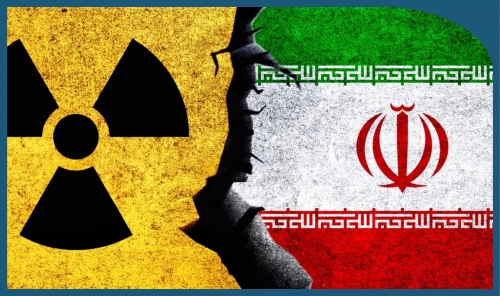
Iran Pushes to Prevent Reimposition of UN Sanctions Amid Tensions with Europe
AFP l Iran
Email : editor@newsofbahrain.com
Iran announced on Tuesday that it is doing everything possible to stop European powers from reimposing UN sanctions, a move threatened under the stalled 2015 nuclear deal.
“Our focus is on preventing actions or incidents that may be costly for the country,” said Iranian Foreign Ministry spokesman Esmaeil Baqaei during a weekly press briefing. He added that Tehran is “negotiating with all our might” ahead of planned talks with Britain, France, and Germany in Geneva.
These talks mark the second round of diplomatic discussions between Iran and European officials since the outbreak of a 12-day war with Israel in mid-June. The conflict, sparked by a surprise Israeli attack, disrupted Iran’s nuclear negotiations with the United States and led Tehran to halt cooperation with the UN nuclear watchdog.
The European countries, which are parties to the 2015 nuclear deal, have threatened to trigger the accord’s “snapback mechanism” by the end of August. This action would restore broad UN sanctions that were lifted under the deal unless Iran agrees to limit uranium enrichment and resume cooperation with International Atomic Energy Agency (IAEA) inspectors.
Iran, however, rejects the European powers’ legal and moral authority to trigger such a measure. “We will not allow this issue to become a tool of psychological warfare against our citizens,” Baqaei said.
The deadline for activating the snapback mechanism is October, after which the UN sanctions would be permanently removed. Reports indicate that Europe is considering extending this deadline, a move Iran has strongly opposed. Iranian Foreign Minister Abbas Araghchi said Tehran is working with allies China and Russia to prevent the sanctions from returning.
The 2015 nuclear deal was severely undermined in 2018 when former U.S. President Donald Trump withdrew the United States and reimposed strict sanctions on Iran. Before the recent war with Israel, Iran had held five rounds of talks with the U.S. aimed at reaching a new nuclear agreement.
The June conflict saw Israeli strikes that killed top commanders, nuclear scientists, and hundreds of others, targeting both military and residential sites. In retaliation, Iran launched ballistic missiles at Israeli cities, and the United States conducted strikes on Iran’s nuclear facilities.
Related Posts