

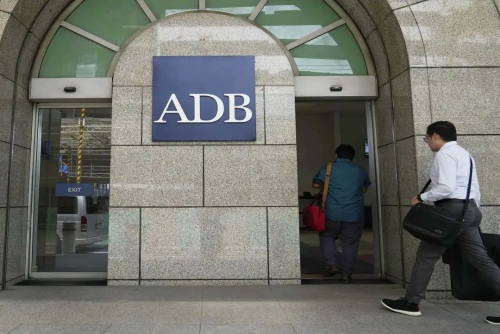
ADB Approves $410 Million Package for Pakistan’s Reko Diq Copper and Gold Mine
TDT | Manama
Email: mail@newsofbahrain.com
The Asian Development Bank (ADB) has approved a $410 million financing package to support the development of Pakistan’s Reko Diq copper and gold mine, one of the world’s largest untapped deposits.
Located in Balochistan province, the massive open-pit project is expected to start production in 2028 and could become the world’s fifth-largest copper mine. Copper is a vital metal used in wiring, motors, renewable energy, and digital technologies.
The ADB package includes $300 million in loans to Canadian mining company Barrick, which is leading the project, and a $110 million credit guarantee for the government of Balochistan.
“Reko Diq will strengthen the supply of critical minerals while supporting the clean energy transition and digital innovation,” ADB President Masato Kanda said, describing the deal as a “game-changer” for Pakistan’s economy.
But the project has sparked controversy. Balochistan, rich in minerals and hydrocarbons, has long faced a separatist insurgency and resentment over how the province’s natural wealth is shared. Despite its resources, around 70 percent of its 15 million residents live below the poverty line.
Earlier this week, more than 30 civil society groups urged ADB and the International Finance Corporation to halt their investments, warning of potential harm to communities and the environment. “This project risks worsening insecurity for human rights defenders and contributing to environmental and social destruction,” they said in an open letter.
In response, Barrick stressed its commitment to responsible mining. “We are committed to open and transparent engagement, ensuring environmental and social safeguards, and sharing benefits with local stakeholders,” the company said in a statement.
The Reko Diq mine, if completed as planned, is expected to play a central role in Pakistan’s push toward economic diversification and sustainable development—though its success may depend on how benefits are distributed in the conflict-prone region.
Related Posts