

World's biggest iceberg runs aground, sparing wildlife haven island
AFP | London
Email : editor@newsofbahrain.com
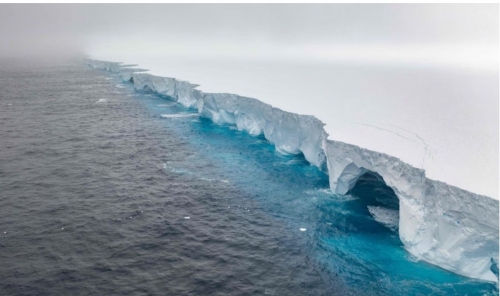
The world's biggest iceberg appears to have run aground roughly 70 kilometres from a remote Antarctic island, potentially sparing the crucial wildlife haven from being hit, a research organisation said Tuesday.
The colossal iceberg A23a -- which is more than twice the size of Greater London and weighs nearly one trillion tonnes -- has been drifting north from Antarctica towards South Georgia island since 2020.
This had raised fears it could collide with the island or run aground in shallower water near it, potentially disrupting the ability of penguins and seals to feed their young.
However, the gigantic wall of ice has been stuck 73 kilometres (45 miles) from the island since March 1, according to a statement from the British Antarctic Survey (BAS).
"If the iceberg stays grounded, we don't expect it to significantly affect the local wildlife," BAS oceanographer Andrew Meijers said.
"In the last few decades, the many icebergs that end up taking this route through the Southern Ocean soon break up, disperse and melt," added Meijers, who encountered A23a in late 2023 and has tracked its fate via satellite ever since.
Satellite images analysed by AFP showed that the closest edge of the iceberg had stopped more than 70 kilometres from the island in late February.
It remains unclear whether the iceberg is stuck for good.
"It will be interesting to see what will happen now," Meijers added.
- Potential upside for wildlife? -
The world's biggest and oldest iceberg calved from the Antarctic shelf in 1986.
It remained stuck for over 30 years before finally breaking free in 2020, its lumbering journey north sometimes delayed by ocean forces that kept it spinning in place.
Satellite imagery had previously suggested it was not crumbling into smaller chunks along the familiar path that such icebergs take. However a 19-kilometre chunk broke off in January.
There had been concerns for wildlife on the crucial breeding ground of South Georgia if the iceberg parked too close.
Related Posts