

India's Maternal and Child Healthcare Hits New Highs
India has made significant strides in health, nutrition and social development, with improvements recorded in maternal and child healthcare, women's empowerment, digital inclusion and access to basic services, according to the latest National Family Health Survey (NFHS-6).
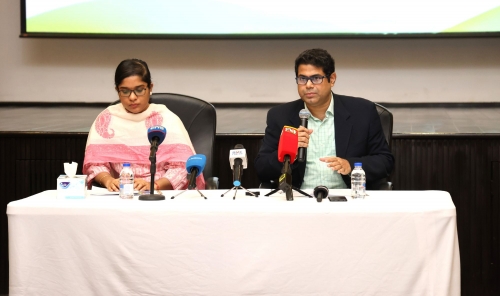
The findings were highlighted by Indian Ambassador to Bahrain Vinod K. Jacob during a media briefing at the Indian Embassy in Manama.
Released in May, the sixth round of the survey covered nearly 679,000 households and more than 700,000 women across 715 districts between 2023 and 2024, making it one of the world's largest health and demographic surveys.
The Indian Ambassador said the results reflected India's steady progress towards universal health coverage and the sustainable development goals, adding that the gains had been inclusive across regions and communities.
Findings
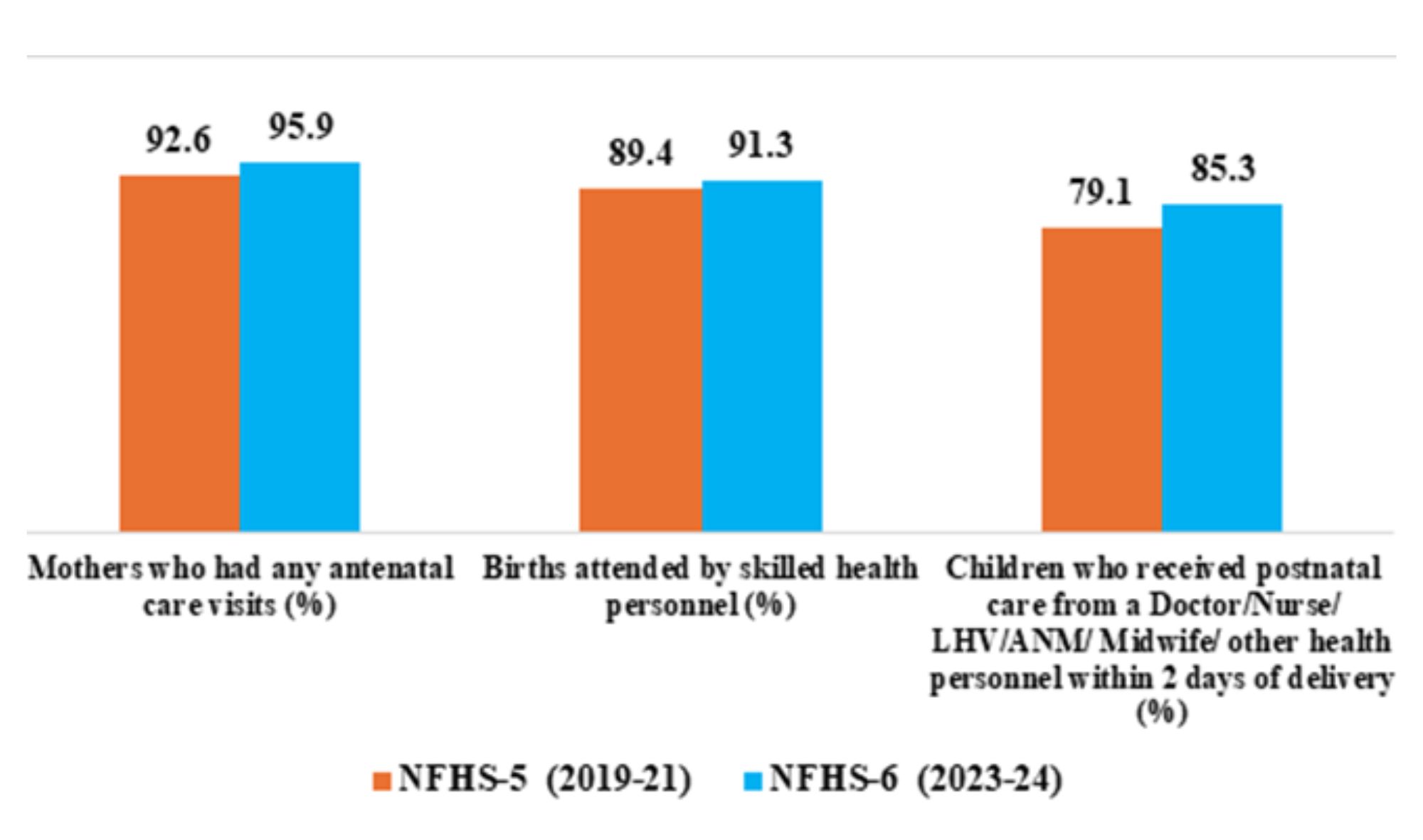
The survey showed maternal and child health indicators reaching their highest levels, with institutional deliveries rising to 90.6 per cent from 88.6%, and births attended by skilled health personnel increasing to 91.3 per cent. Full immunisation coverage among children also climbed to 87.1 per cent.
It also reported near-universal electrification, improved access to basic amenities, stronger participation of women in household decision-making, continued demographic transition and improvements in indicators related to gender-based violence.
One of the most notable gains was in digital inclusion. Internet use among women almost doubled from 33.3 per cent in 2019–21 to 64.3 per cent in 2023–24, while usage among men rose from 51.2 per cent to 80.5 per cent.
“The rate of improvement among women is higher than the rate of improvement among men,” said the Ambassador, describing the trend as evidence of more inclusive digital access.
The survey also assessed the impact of the Ayushman Bharat Pradhan Mantri Jan Arogya Yojana, the world’s largest government-funded health assurance scheme, which provides financial protection and access to tertiary healthcare for millions of beneficiaries.
Challenges
He further acknowledged that the survey flagged rising lifestyle-related diseases, including diabetes, hypertension, cancer and heart disease. In response, the government has expanded screening and early detection programmes while promoting physical activity and yoga as part of its preventive healthcare strategy.
Referring to India's response to the Covid-19 pandemic, he said the country's ability to rapidly roll out vaccines across its vast and diverse population demonstrated the resilience of its healthcare system.
He also highlighted the role of digital health infrastructure in improving healthcare delivery, noting that telemedicine and digital platforms enabled faster consultations and improved access to medical services in remote areas.
Related Posts