

Hormuz Reopening Eases Bahrain Trade Costs
TDT | Manama
Email: mail@newsofbahrain.com
Economists have said the reopening of the Strait of Hormuz and the return of normal shipping will ease pressure on Bahrain’s economy, with freight and insurance costs expected to fall after weeks of strain on trade routes.
They said the move would also help the world economy, given the strait’s role in energy flows and sea trade. Around a fifth of the world’s oil and gas trade passes through the waterway.
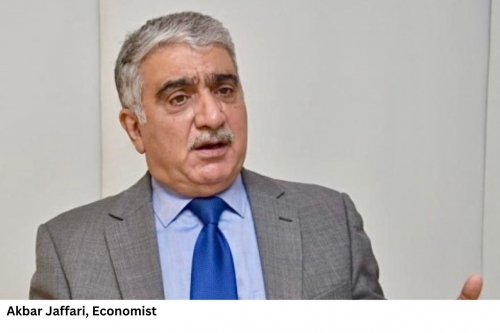
Akbar Jaffari said the closure had thrown supply chains into disorder, raised the cost of shipping, exports and storage, and left many firms producing goods they then struggled to send abroad.
The strain was felt across the Gulf, he said, but Bahrain had been hit harder because of its place inside the affected zone.
Mr Jaffari said large industrial firms had cut their losses by moving fast to other plans, keeping work going and limiting the harm. A full return to normal, he added, was likely to take between six and 18 months as sectors work through repair plans.
Bahrain had shown that it could adapt under pressure, he said. Some import and export work was moved to ports in Oman, the UAE and Saudi Arabia, helping goods keep moving and softening the blow to the local market.
The return of normal traffic through the strait should bring shipping and logistics costs down bit by bit, Mr Jaffari said. That would help Bahraini firms compete, support trade with overseas markets and help the kingdom regain its place in regional logistics.
He said large firms and smaller businesses stood to gain. Big industrial companies had kept going despite higher costs, while small and medium-sized firms used other routes to carry on exporting, though at greater expense.
Noura Al Faihani said the reopening of the strait would be felt well beyond the region, as the waterway is one of the world’s main sea lanes.
Stable shipping, she said, would cut geopolitical risks linked to transport, insurance and energy, helping calm world markets and ease price pressure in many countries.
Lower transport and energy costs should feed through into production and shipping, she added, helping prices for goods and services and improving the flow of global supply chains.
Bahrain would be among the main gainers, Ms Al Faihani said, due to its location and transport network.
She said the kingdom had shown resilience during the crisis and had handled logistics strains well, raising investor trust in Bahrain’s business climate.
A number of Bahraini and regional firms have expansion plans, she said, while overseas investor interest in the kingdom is growing. Calmer regional conditions would help these projects move ahead and draw further high-value investment.
Ms Al Faihani said stable shipping through the Strait of Hormuz would strengthen Bahrain’s place as a regional logistics hub by easing trade, lowering freight and insurance costs, and cutting delays in supply chains.
Industry and small and medium-sized firms are also expected to benefit from lower running costs and better logistics, opening the way for business growth, new investment and further economic chances.
She said the reopening of the strait was a chance to support long-term growth, build a more resilient economy and strengthen Bahrain’s standing as a business and logistics hub in the region.
Related Posts