

Rain, Recovery and Risk
Bahrain’s Farms Face Mixed Season
This year’s rainfall has presented a varied outlook for Bahrain’s agricultural sector, with farmers reporting some crop damage alongside encouraging signs of renewed growth as the season progresses. While certain open-field farms were affected by heavier showers, others operating within controlled environments were largely able to remain protected.
Across Bahrain, heavy showers hit open fields unevenly, while protected farms shielded their crops, highlighting a growing divide in how agriculture responds to changing weather patterns.
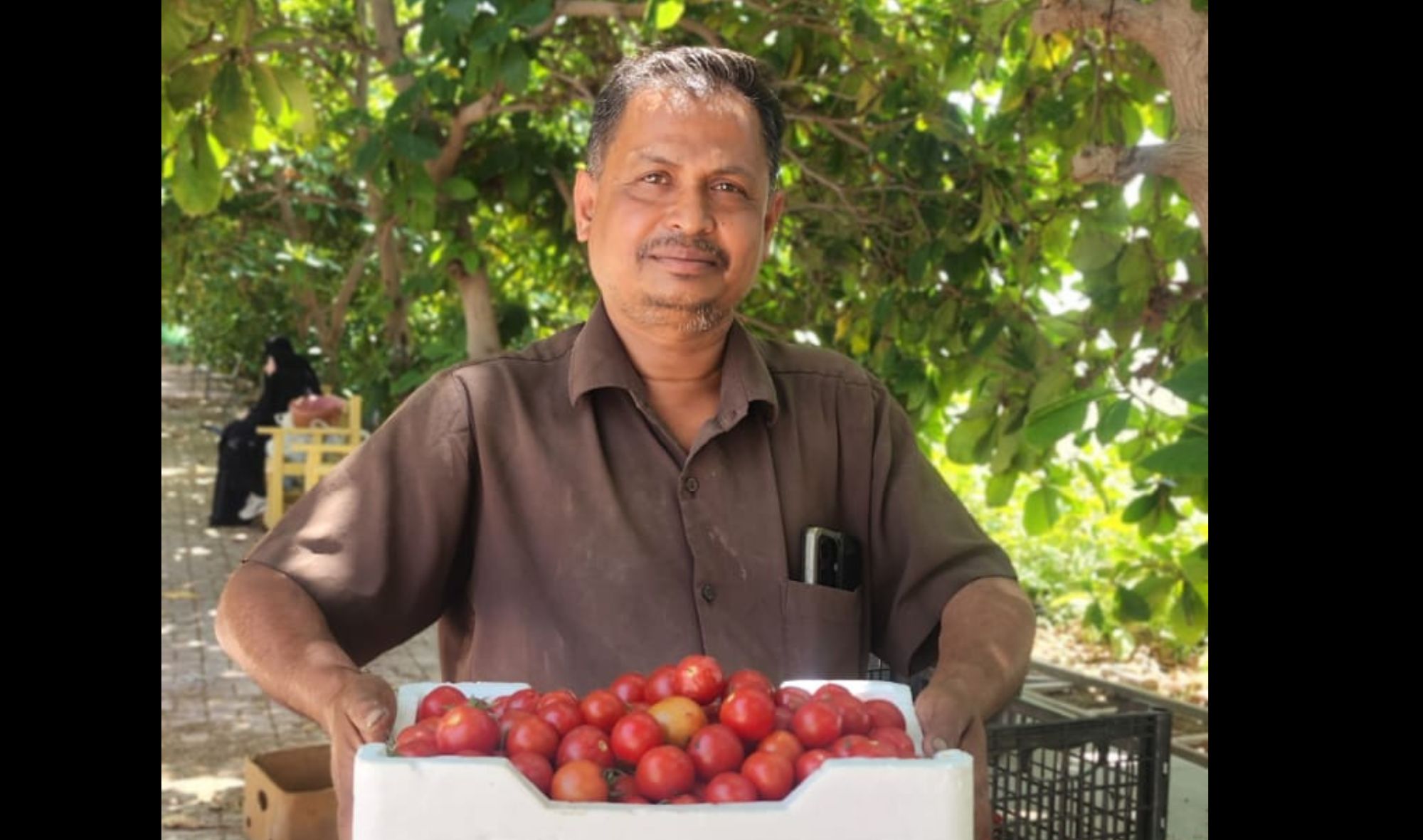
At Abdulwahab farm, Farooq said greenhouse-style structures have become essential rather than optional. Most crops are grown under covered systems, which reduces exposure to sudden rain and extreme heat.
The result is stability. Crops continue to grow under controlled conditions, with minimal disruption, while drip irrigation ensures precise water use regardless of rainfall. Even so, he noted that the real challenge arrives later. As temperatures climb toward June, heat begins to cut into yields, reducing output despite careful irrigation.
Damage
In contrast, open-field farming tells a different story.
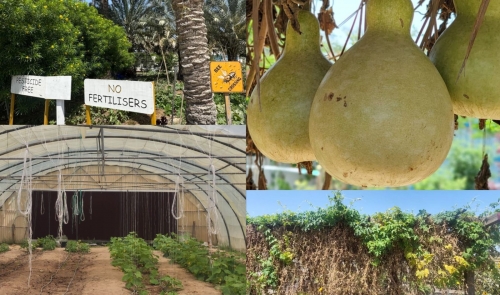
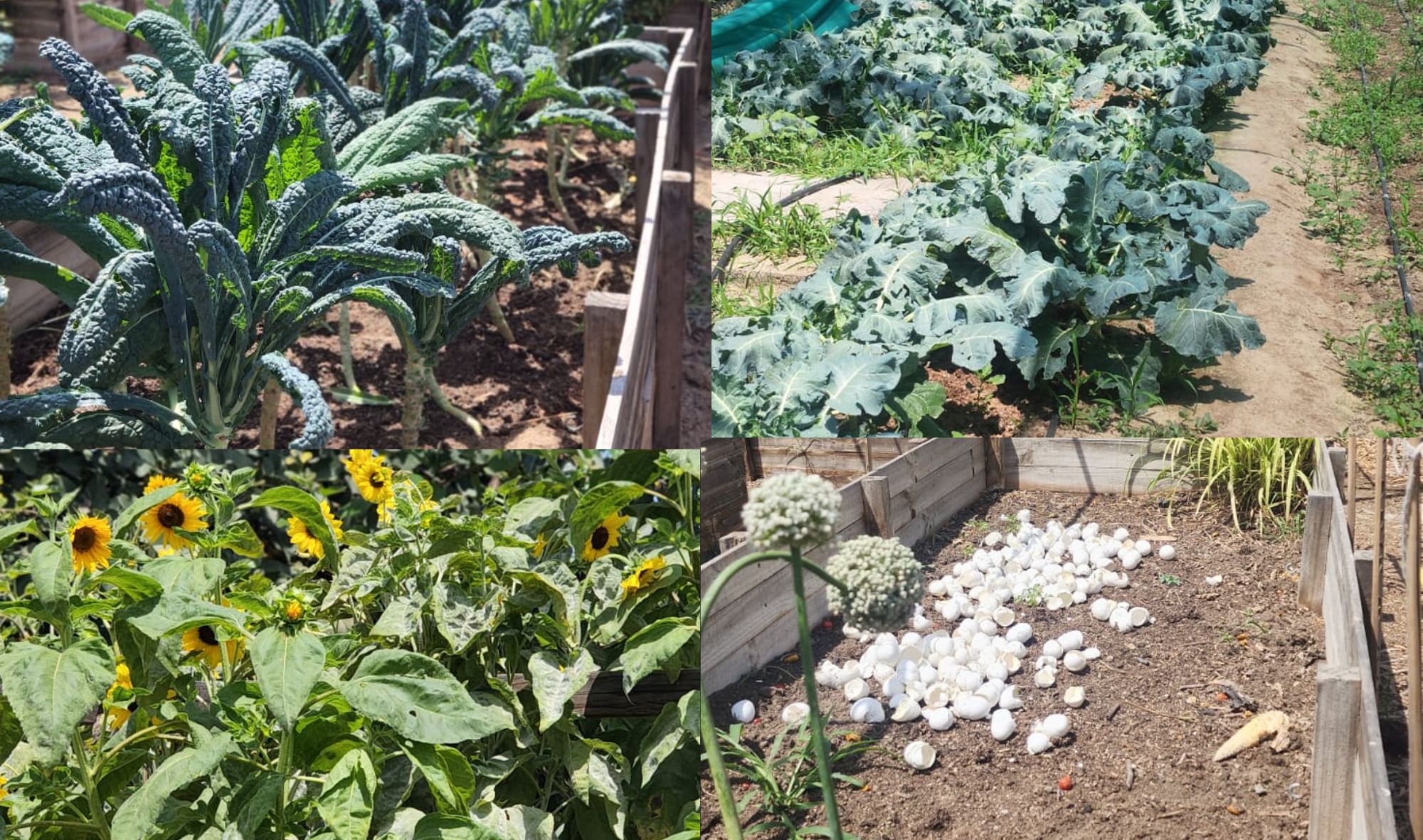
At Al Jasra Organic Farm, where all fertilizers and manure are prepared in-house, manager Wahid said several crops, including sunflowers and gourds, sustained visible damage due to the recent rains. However, he noted that the recovery process has already begun.
“Some of the crops were damaged by the rain, but new green leaves are returning,” he said, pointing to fresh growth across the farm.
He explained that local and regionally adapted crops tend to recover faster, while imported varieties remain more vulnerable to Bahrain’s sudden weather shifts.
Nature
Despite the damage, rain is not considered a loss.
Wahid stressed that rainfall plays a deeper role, naturally delivering nutrients such as magnesium sulphate into the soil, improving plant health in ways irrigation alone cannot replicate.
“Rain is not only water,” he said. “It also brings nutrients that help plants become greener and healthier.”
Timing
This season also revealed how critical timing has become.
Tomatoes, planted in October and harvested from December, delivered strong results, with yields reaching around five tonnes before the season tapered off in March. As temperatures rise, only heat-tolerant crops such as okra, sweet corn, amaranth and long beans continue to survive.
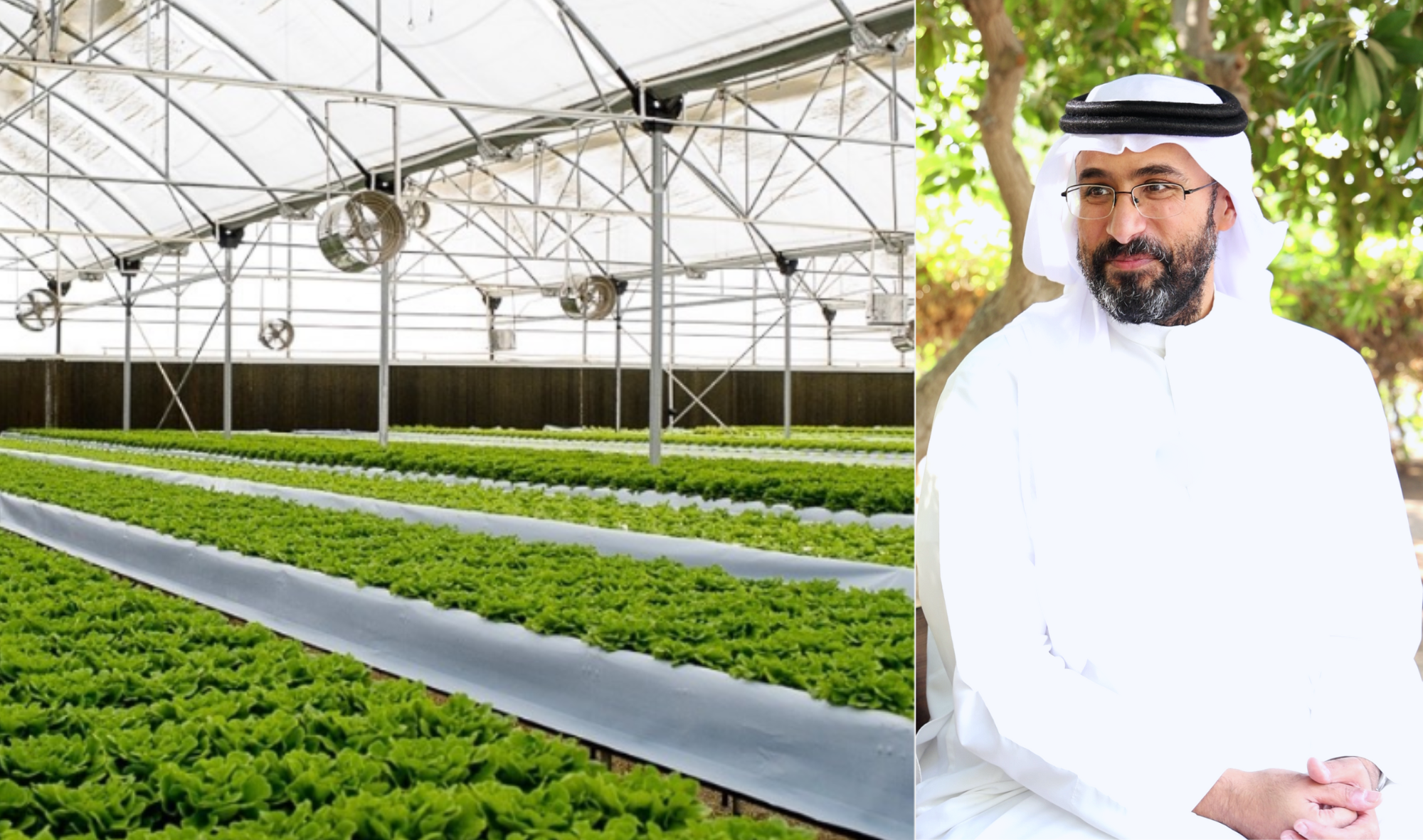
At Peninsula Farms, Shaikh Rashid said rainfall during December, particularly on the 14th, 15th and 16th, affected crops grown directly in open fields. Beans, ridge gourd and pumpkin were among the crops impacted due to flooding. Aside from that period, he said the farm was not negatively affected by rain during the season.
He added that the main challenge was not the rainfall itself, but the reduced sunlight during extended cloudy periods. Hydroponic crops such as lettuce and tomatoes grew more slowly because of lower light levels, affecting harvest quantities and expected timelines. He noted that limited sunlight also impacted growth in both hydroponic systems and open-field agriculture.
Despite these challenges, Shaikh Rashid said the farm had broken its own record this year for the number of crops grown. He praised the team for adapting to changing climate conditions while delivering a highly successful growing season.
Shift
Farmers are increasingly paying close attention to rainfall dates, humidity, and seasonal timing, especially as weather patterns become less predictable. For Bahrain's cultivators, this year's rains were a reminder of how closely farming remains tied to nature.
Related Posts