

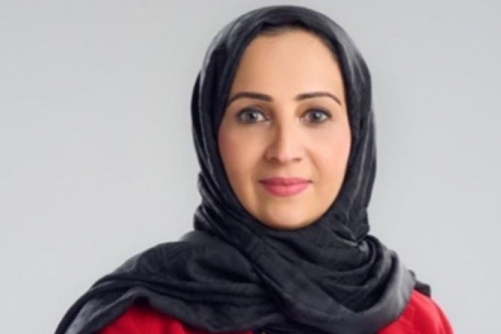
Cancer death totals span several years, health minister tells Parliament
TDT | Manama
Email: mail@newsofbahrain.com
Totals quoted for cancer deaths in Bahrain cover several years, not cases diagnosed in 2024 alone, Health Minister Jaleela Al Sayed told Parliament on Tuesday, urging care in how the figures are read and matched to the right time period. ‘The death figures being circulated represent the total cancer deaths over a number of years, not deaths among cases recorded in 2024 only,’ she said, calling for ‘a precise reading of the data’ and clearer linkage to the correct year.
The reply came after MP Jalal Kadhem asked the Ministry of Health about cancer and kidney statistics during the weekly sitting. Kadhem said the numbers being traded publicly, on mental and physical health alike, required a joint meeting of the Shura Council and Parliament. ‘The figures in circulation on public health, mental and physical, need a serious and responsible stance from both the legislative and executive branches,’ he said.
Al Sayed said recorded cancer cases for 2024 relate to that year, while mortality totals are compiled under a different method. She said the ministry was reviewing its statistical measures so they match the health picture on the ground and help both decision-makers and MPs.
On kidney disease, the minister said visit totals should not be read as kidney failure alone. They cover all kidney-related care, including dialysis sessions, outpatient reviews, lab work and diagnostic tests, as well as follow-ups at the kidney centre and government hospitals. ‘The number of visits does not represent kidney failure cases only,’ she said. ‘It includes all kidney patient visits, including dialysis sessions, clinic reviews, tests and examinations.’
She said Bahrain’s main health burden sits with non-communicable diseases, led by heart and blood-vessel disease. Diabetes and high blood pressure, she added, raise risk, alongside smoking, lack of exercise, poor diet and inherited factors tied to some cancers, including colon cancer.
The minister said prevention work runs through primary health care and the ‘Choose Your Doctor’ scheme, with early checks treated as a key test of progress. Mammogram devices, she said, are available across all governorates for early breast cancer checks. She added that colon cancer screening has been added to primary care during the current legislative term, alongside screening for prostate and cervical cancers.
She also pointed to HPV vaccination as part of prevention policy, saying it can help guard against cervical cancer and other cancers that can affect women and men. ‘These steps help reduce illness and deaths and preserve longer years of healthy life,’ she said.
Al Sayed said the ministry is working with other bodies through a National Taskforce for Combating Communicable Diseases with cancer prevention and control among its core tasks. She said civil society groups, including the Bahrain Cancer Society, are involved, alongside work with the Ministry of Industry and Commerce and the Supreme Council for Environment to address wider health and social factors linked to disease.
She said the ministry runs a national survey on non-communicable diseases every four to five years, using global standards, and that Bahrain’s rates are not among the highest worldwide, though the aim is to drive them lower. She also cited the National Genome Project’s role in spotting inherited risk for some cancers, and said coordination with government hospitals, the Royal Medical Services and the Oncology Centre helps provide counselling for people found to carry high-risk genetic markers.
Kadhem said the ministry’s account of rising cancer and kidney failure cases put weight on diet and heredity, but missed industrial pollution. ‘The ministry spoke about diet and heredity, but it overlooked the role of environmental pollution from factories,’ he said.
He linked public health to what he described as psychological strain and pressure on mental health services. ‘More than 62,000 citizens are attending mental health centres,’ he said, arguing that anxiety and poor wellbeing can feed into repeated physical illness.
Kadhem said 2024 figures show 1,230 cancer cases among Bahraini citizens, compared with 171 among non-Bahrainis, despite non-Bahrainis forming a larger share of the population. He said kidney failure cases among citizens numbered 4,298 and that treatment costs weigh on the state budget.
He called for more funding for the Ministry of Health, wider training and scholarship routes for Bahraini doctors, and overseas treatment when needed. He also urged stronger health awareness work, mainly on food and healthy eating, and pressed for quicker activation of the health insurance programme so citizens can use private clinics and centres, easing queues at government hospitals and supporting early checks.
Related Posts