

Solar eclipse set to send German electricity prices soaring
Wholesale prices expected to exceed €460 per MWh as reduced sunlight cuts solar generation
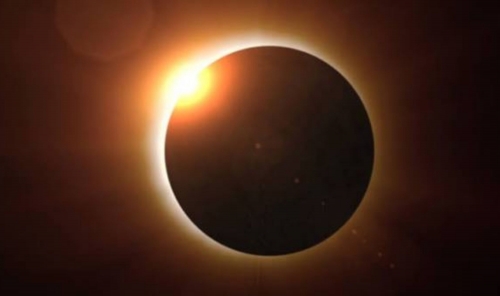
Berlin: Electricity prices in Germany are set to surge briefly on Wednesday evening as a partial solar eclipse reduces solar power generation, highlighting the growing influence of weather-dependent renewable energy on the country's electricity market.
European Power Exchange data showed that spot electricity prices for some 15-minute periods during the eclipse were trading above €400 ($461.61) per megawatt-hour (MWh), more than twice Tuesday's prices for the same periods.
Prices for the period between 7:45pm and 8:00pm on Wednesday, around the expected peak of the eclipse, reached as high as €461.17 per MWh.
Wholesale electricity prices on the exchange are determined a day ahead for each 15-minute period through auctions involving power producers and large consumers.
The sharp price fluctuations reflect Germany's increasing reliance on renewable energy, particularly solar power, whose output can vary significantly depending on weather and sunlight conditions.
The country has expanded renewable energy capacity while moving away from nuclear power, contributing to major changes in its electricity market. Germany also faces some of the highest electricity costs among major economies.
Most households and businesses purchase electricity at fixed prices agreed in advance, while some companies buy electricity at spot prices to take advantage of periods when wholesale power is cheaper.
On Tuesday, wholesale electricity prices in Germany fell to almost zero euros per MWh between noon and 3pm as strong sunshine boosted solar generation.
The eclipse is expected to have an even greater impact on solar generation in Spain, where the event will be total.
The price volatility comes as Europe is also dealing with the effects of intense summer heat on electricity generation.
France has experienced disruptions to nuclear power production amid heatwaves and drought, with EDF shutting down several reactors in June and July because of extreme temperatures.
Romania and Hungary have also reduced generation at nuclear plants that rely on water from the Danube for cooling as water levels decline.
Related Posts