

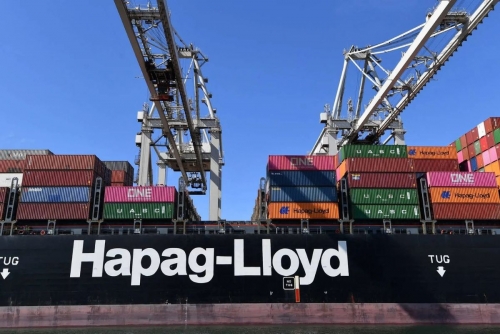
German shipping giant Hapag-Lloyd won't resume transiting Strait of Hormuz
Email: online@newsofbahrain.com
HAMBURG: German shipping giant Hapag-Lloyd has confirmed it will not yet resume transits through the Strait of Hormuz, despite the recent announcement of a fragile two-week ceasefire.
While the agreement theoretically ‘opens’ the waterway, the carrier warned on Wednesday that the security situation remains ‘very fluid’ and lacks the necessary maritime certainty for commercial operations. The company maintains that the safety of its crews and cargo remains the absolute priority.
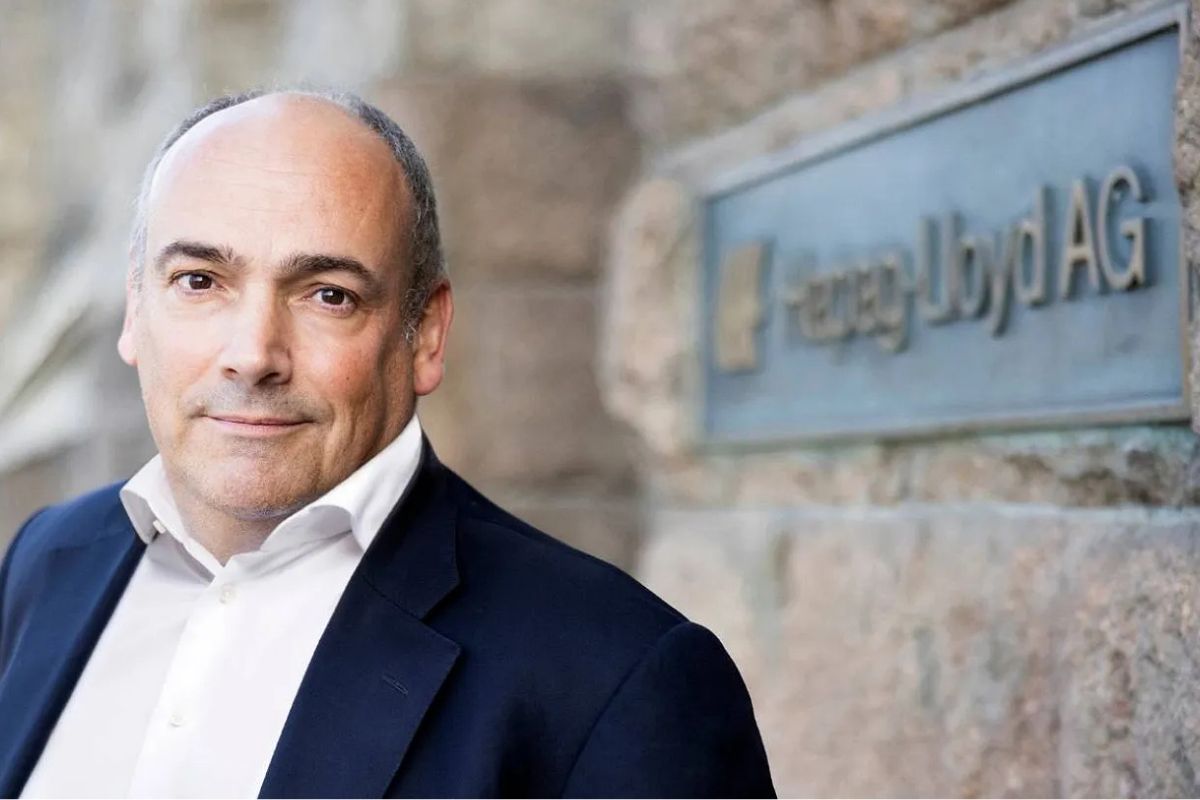
Hapag-Lloyd CEO Rolf Habben Jansen noted that even if the truce holds, it could take six to eight weeks to normalise the company's shipping network. The carrier currently has six container vessels with a combined capacity of 25,000 containers stranded within the Persian Gulf. They are part of a larger group of approximately 1,000 merchant ships that have been trapped in the region since the conflict escalated in late February.
The financial toll of the disruption is mounting rapidly, with the carrier revising its estimated weekly cost of the crisis to between $50 million and $60 million.
These costs are driven by the necessity of rerouting vessels around the Cape of Good Hope, a detour that adds up to 14 days to transit times. Increased insurance premiums and higher fuel consumption are expected to be partially passed on to customers through emergency surcharges.
This prolonged closure of a primary maritime chokepoint, which handles 20 per cent of global oil transit, continues to act as a ‘textbook supply shock.’ The World Bank has cautioned that such disruptions will leave a multi-year economic scar on the Middle East, particularly for Gulf nations. While some traffic has resumed, the ongoing hesitation from major global carriers suggests that a full return to regional stability remains a distant prospect.
Photo Credits: AFP
Related Posts