

Closures, Remote Learning, and Security Alerts Across the region
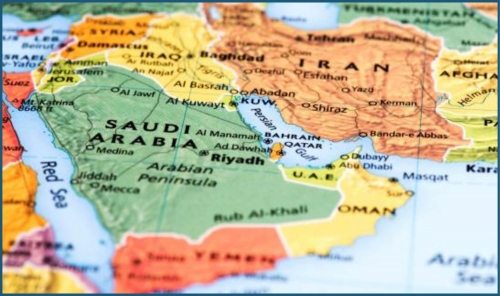
Several institutions across the Middle East and North Africa have announced precautionary measures, including temporary closures, remote operations, and security advisories, amid rising regional tensions.
In Doha, Qatar National Library confirmed it will remain temporarily closed until further notice, following updated guidance from relevant authorities. The library stated that while physical services are suspended, its digital platforms and electronic resources remain fully accessible to members. It also urged the public to follow official channels for further operational updates.
In the United Arab Emirates, American University of Sharjah announced that it will continue operating remotely until further notice. The university said all academic activities, including lectures and assessments, will proceed online, while faculty and staff will work off-campus. It added that the decision aims to ensure the safety and well-being of students and staff while maintaining continuity of education.
Similarly, the American University of Beirut in Lebanon confirmed it will operate remotely for two days following reported regional threats. The university cited security concerns linked to warnings issued by the Islamic Revolutionary Guard Corps, which reportedly threatened US-linked educational institutions in the region after recent military developments.
In Egypt, the U.S. Embassy in Cairo issued an advisory urging U.S. citizens to closely monitor news updates and exercise caution amid ongoing regional developments. The embassy noted that while it remains fully operational, travelers may experience delays or cancellations due to potential airspace disruptions. It also warned that extremist and Iran-aligned groups have expressed intent to conduct attacks in parts of the region, though Egyptian authorities continue to maintain security presence at key sites.
In Jerusalem, Israeli Prime Minister Benjamin Netanyahu ordered authorities to ensure full and immediate access for Cardinal Pierbattista Pizzaballa, a leading Catholic cleric, to the Church of the Holy Sepulchre. The decision follows heightened concerns after reports of missile fragments landing near the site during recent strikes attributed to Iran.
Israeli authorities have also urged temporary restrictions on worshippers visiting major religious sites in Jerusalem’s Old City, including locations sacred to Christianity, Islam, and Judaism, citing safety concerns. Officials said the measures are intended to protect worshippers as the situation remains volatile.
Related Posts