

Trump: Over 3,500 Iranian Military Targets Still Remaining in Iran
U.S. President Donald Trump delivered wide-ranging remarks at the Future Investment Initiative (FII), addressing ongoing military operations, global alliances, and U.S. defense capabilities.
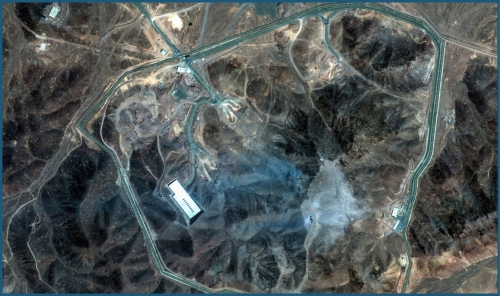
Speaking about unspecified military operations, Trump claimed that forces were continuing targeted strikes and stated that “we have another 3,554 targets left,” suggesting that operations would continue at pace. He added that the situation had shifted toward identifying and striking remaining targets, while asserting that opposing forces lacked effective air defenses.
Trump also referenced past and potential military engagements, including Venezuela and Iran, making broad claims about operational outcomes and comparative military strength. He did not provide verified details or independent evidence for these assertions.
Turning to international alliances, Trump criticized NATO, arguing that member states would not provide sufficient support in the event of a major conflict. He claimed that assistance from allies often comes “after the war is finished,” while suggesting that contributions during active conflict would be limited.
He also mentioned European leaders in the context of the war in Ukraine, stating that differing political decisions had influenced the course of the conflict. Trump further reiterated his long-standing claim that the war would not have occurred under his leadership and described ongoing fighting as severe and costly in human terms.
Addressing defense cooperation, Trump thanked several Gulf nations, including Saudi Arabia, Qatar, the UAE, Bahrain, and Kuwait, for their support. He also referred to missile defense systems and interception capabilities, describing scenarios in which incoming missiles were reportedly neutralized through advanced technology and rapid response systems.
Throughout the speech, Trump emphasized U.S. military strength and technological superiority, highlighting air and missile defense performance, while contrasting it with adversary capabilities. He repeatedly framed U.S. systems as highly effective in intercepting incoming threats.
Related Posts