

700 Federal Immigration Agents to Exit Minnesota, Officials Say
Email: online@newsofbahrain.com
Minneapolis: The Trump administration announced Wednesday that approximately 700 federal immigration enforcement officers will be withdrawn from Minnesota immediately, as part of a partial reduction of a controversial federal deployment that has drawn intense scrutiny and local resistance.
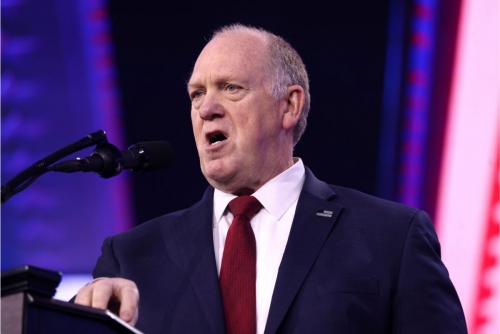
White House border Tsar Tom Homan said the decision reflects what he called “unprecedented collaboration” between federal officials and certain state and local authorities on how undocumented immigrants can be taken into custody after arrest. Under that cooperation, county jails could notify Immigration and Customs Enforcement (ICE) and Customs and Border Protection (CBP) when eligible detainees are released from custody, reducing the need for large scale sweeps by federal agents.
The drawdown affects about 700 of the roughly 3,000 federal agents that have been part of the enforcement operation in the Twin Cities a mission that has sparked nationwide attention. Despite the reduction, roughly 2,000 officers are expected to remain in Minnesota for the time being, according to Homan.
Homan framed the step as a response to decreased tensions and increased administrative cooperation, but reiterated that the broader immigration enforcement operation would continue. He emphasised that federal agents will still pursue immigrants suspected of serious crimes and that broader removal operations nationwide remain a priority.
The federal presence in Minnesota escalated significantly last year under Operation Metro Surge, which brought thousands of agents to Minneapolis and surrounding areas in an expanded immigration enforcement push. That operation drew widespread protests including demonstrations and legal challenges from state and local officials particularly after two U.S. citizens, including protester Alex Pretti, were fatally shot by federal officers during clashes.
President Donald Trump has linked the partial withdrawal to improved cooperation with local law enforcement and elected leaders, while critics argue the move is a response to escalating political and public backlash. Some state officials, including Minnesota’s Democratic leaders, have maintained that the reduction remains insufficient and urged a more comprehensive end to the heavy federal footprint.
Across Minnesota, the federal enforcement strategy has prompted legal challenges and political criticism, with local governments suing to limit federal authority and community groups decrying the effects of aggressive immigration tactics on civil liberties and everyday life.
Even with the withdrawal, the ongoing presence of thousands of federal agents far above pre-surge levels ensures that immigration enforcement will remain a central flashpoint in Minneapolis and Saint Paul, especially as state officials, residents and civil rights advocates continue to debate the role of ICE and CBP on local streets.
Related Posts