

Talks in Oman Loom as U.S. Sets Conditions on Iran Negotiations
Email: online@newsofbahrain.com
Washington: The United States reiterated its willingness to engage in high-level talks with Iran, but U.S. officials say any diplomatic meeting must extend beyond Tehran’s nuclear programme to include its ballistic missile arsenal, support for proxy armed groups and human rights abuses demands that Tehran has so far rejected, setting up a potential standoff as negotiations approach.
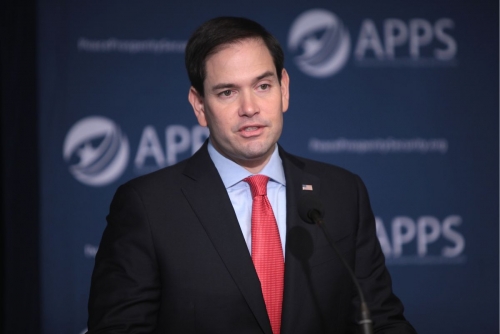
U.S. Secretary of State Marco Rubio said Wednesday that Washington remains open to diplomacy “if the Iranians want to meet,” but insisted that talks need to cover a range of contentious issues for them to be “meaningful,” including limits on missiles capable of striking regional neighbours and discussion of Iran’s backing for militant groups across the Middle East.
Rubio also highlighted the need to address the treatment of Iranians at home a clear reference to Tehran’s violent crackdown on widespread protests alongside fundamental security matters.
Tensions between the two countries are running high. This week, a U.S. fighter jet shot down an Iranian drone that approached the aircraft carrier USS Abraham Lincoln in the Arabian Sea, an incident officials described as “aggressive” amid broader regional unease.
Efforts to organise talks have faced logistical hurdles. Iranian authorities recently pushed to relocate a planned Friday meeting from Turkey to Oman, insisting the agenda focus narrowly on nuclear issues and exclude broader items such as missiles a stance that clashes with U.S. demands for a more expansive conversation.
Despite the disagreements, both sides confirm preparation for discussions. Tehran has positioned the Oman meeting as a continuation of previous nuclear negotiations, designed to reduce tensions and revisit elements of the standoff over its atomic work.
Rubio’s comments reflected broader U.S. frustration with the pace and scope of diplomacy, as Washington balances military pressure and diplomatic openings. U.S. President Donald Trump has repeatedly signalled that negotiations are preferable to conflict, yet has maintained that significant progress hinges on Iran’s willingness to engage on issues beyond nuclear technology.
Regional mediators including officials from Turkey, Qatar and Egypt have presented frameworks to expand the agenda, even proposing principles that would include restrictions on ballistic missiles and non-aggression commitments.
Iran itself has described its position as “extremely cautious” about the success of negotiations, underscoring Tehran’s insistence that defence matters, particularly its missile programme, remain off the bargaining table.
As diplomats work against a backdrop of heightened tensions and strategic posturing, expectations for a breakthrough remain uncertain. Observers say the forthcoming talks will test whether the U.S. and Iran can bridge stark differences or whether entrenched positions on missiles and regional influence will keep both sides at odds.
Related Posts