

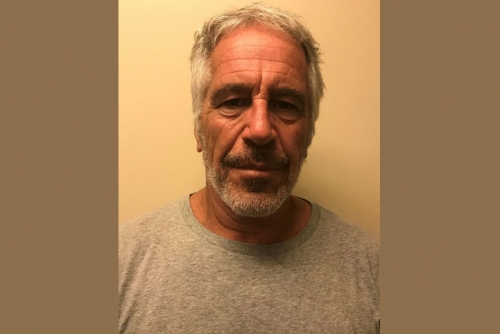
U.S. Justice Department Removes Thousands of Epstein Files following Flawed Redactions
Email: online@newsofbahrain.com
The U.S. Department of Justice (DOJ) has taken down thousands of documents and media files connected to accused sex trafficker Jeffrey Epstein after victims and their attorneys raised alarm that the material contained insufficient redactions that exposed personal information. The removal follows a large release of records intended to increase transparency into Epstein’s crimes, but it sparked intense criticism for compromising the privacy and safety of survivors.
The recently published materials part of a major disclosure effort under the Epstein Files Transparency Act included identifying details such as names, email addresses, photos, and other sensitive data that victims believed should have been obscured before being made public. Lawyers for nearly 100 survivors argued in court filings that these errors “turned upside down” the lives of victims who had struggled privately to rebuild after years of abuse.
In response to mounting pressure, U.S. Attorney Jay Clayton wrote to judges in Manhattan overseeing the Epstein and Ghislaine Maxwell cases confirming that the department had removed the majority of the flagged files and was reviewing additional documents for redaction. Clayton said the mistakes stemmed from “technical or human error” and that procedures have been updated to better identify and correct problematic material when flagged.
Survivors and advocates have condemned the initial release, saying that even a small number of unredacted entries can lead to harassment, threats, and lasting emotional harm. Some victims reported receiving threats after personal details were exposed, and attorneys urged the court to intervene to ensure accountability and prevent further breaches.
The controversy has reignited debates about how to balance transparency in high-profile legal cases with robust protections for victims’ privacy. While the Justice Department maintains it is committed to safeguarding survivors and complying with legal disclosure requirements, critics say the errors show deeper issues in how sensitive material is reviewed before publication.
Related Posts