

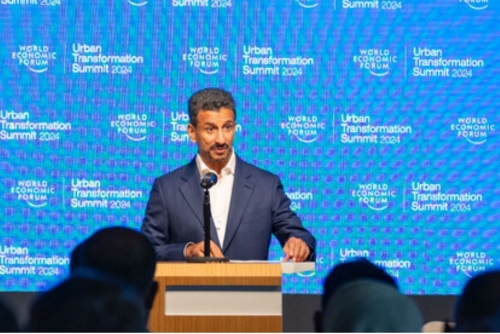
Global Travel Barriers Must Fall to Foster Peace, Says Saudi Tourism Minister
Email: online@newsofbahrain.com
During a high-level panel at the World Economic Forum (WEF) 2026 in Davos, Saudi Arabia’s Minister of Tourism, Ahmed Al-Khateeb, issued a call for global governments to ease visa restrictions and embrace more flexible travel policies.
Addressing the challenges facing the $10 trillion global travel industry, Al-Khateeb argued that tourism serves as a vital bridge for dialogue and peace, especially as geopolitical tensions lead some nations to tighten their borders. He noted that while travel currently accounts for roughly 10% of global GDP, its potential to support smaller economies in regions like Africa, Latin America, and the Caribbean remains hindered by connectivity issues and bureaucratic hurdles.
The minister’s remarks highlighted a growing divide in global travel policy. While the United States has recently implemented stricter visa and immigration measures affecting dozens of nations, and parts of Europe grapple with anti-tourism protests, Saudi Arabia is moving in the opposite direction. Al-Khateeb detailed the Kingdom’s rapid transformation, noting that the tourism sector’s contribution to the Saudi economy has climbed from 3% in 2020 to 5% today, with an ambitious target of reaching 8% to 10% by 2030. To support this growth, Saudi Arabia is investing heavily in infrastructure to accommodate an expected 150 million travellers by the end of the decade.
A significant portion of the discussion focused on the role of technology and social impact. Al-Khateeb revealed that the Kingdom’s tourism push has created 250,000 jobs over the last five years, with female participation reaching 47%, a figure that now exceeds the global industry average of 45%. Regarding the rise of Artificial Intelligence (AI), industry leaders on the panel, including Cara Morton from Zurich Insurance Group, suggested that AI could help redistribute wealth more equally by directing travellers to "hidden gems" and less crowded destinations.
However, Al-Khateeb cautioned that while AI should be used to streamline biometrics and logistics, it must never replace the "human-to-human" interaction that defines the travel experience.
As the UN projects global traveller numbers to surge from 1.5 billion to 2 billion by 2050, the panel concluded that the future of the industry depends on deregulation and a shift away from "overtourism" in traditional hotspots. Martin Eurnekian of Corporacion America International echoed this sentiment, warning that the industry is fundamentally based on "freedom and globalisation," and that excessive regulation could exact a high economic cost. By promoting smaller cities and diversifying flight connectivity, the speakers argued that the world can ensure tourism remains a resilient, sustainable, and peaceful force for global growth.
Related Posts