

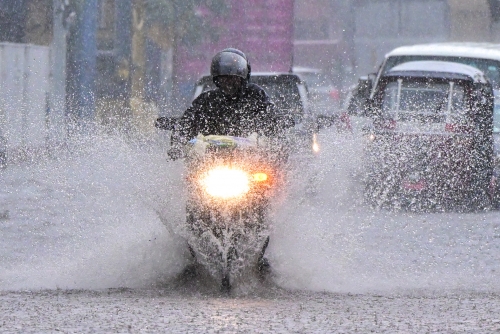
Sri Lanka issues fresh landslide warnings as death toll hits 607
AFP | Colombo
Email : editor@newsofbahrain.com
Heavy rains triggered fresh landslide warnings in Sri Lanka’s worst-affected central hills yesterday, as the death toll from last week’s Cyclone Ditwah jumped to 607.
The National Building Research Organisation (NBRO), which monitors the stability of mountain slopes, said heavy rainfall could further saturate the hills and make them unstable.
“Since rainfall within the past 24 hours has exceeded 150 millimetres, if the rains continue, evacuate to a safe location to avoid the risk of landslides,” the NBRO said in a statement.
The latest deluge was brought on by the onset of the monsoon rains, although some of the earlier flooding that began last week has started to subside.
The Disaster Management Centre (DMC) said 607 people had been confirmed dead, with many of those previously unaccounted for now presumed killed in the devastating mudslides.
The number of missing was revised down from 341 to 214, while the number of people affected rose to just over two million.
The number of people in state-run refugee camps fell further to 150,000 from a peak of 225,000 as floodwaters receded in and around the capital Colombo.
Record rainfall triggered the floods and deadly landslides, which President Anura Kumara Dissanayake has described as the most challenging natural disaster in the history of the island.
Fresh IMF talks
Addressing parliament yesterday, Dissanayake said he had asked the IMF to delay the release of the sixth instalment of a $2.9 billion bailout loan in order to negotiate a bigger payout.
“The IMF board was to sign off on releasing $347 million on December 15, but we have now asked them to put it off because we want time to negotiate a bigger instalment,” Dissanayake said.
He said fresh talks with the Washington-based lender of last resort were essential, because the country’s economic situation had drastically changed following the disaster across the island.
Yesterday’s new landslide alert covered areas not previously identified as high risk.
Related Posts