

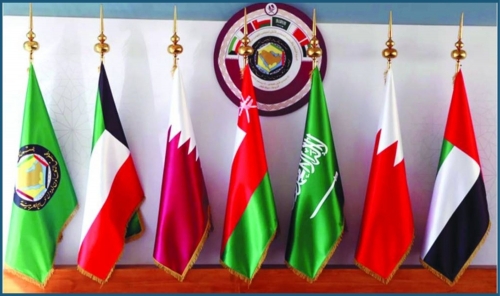
GCC Celebrates Over 40 Years of Regional Unity and Citizen Integration
Since its establishment in May 1981, the Gulf Cooperation Council (GCC) has prioritized strengthening ties between its member states’ citizens and fostering regional integration. The GCC Charter highlights that the council was founded based on shared cultural, religious, and social values, as well as a common vision for political, economic, social, cultural, security, and military coordination.
Over the past four decades, the GCC has played a central role in promoting unity among Gulf peoples, leveraging shared heritage and family connections to achieve its goals and enhance its standing regionally and internationally. Strategic initiatives by the council have resulted in numerous successes, including decisions aimed at realizing “Gulf citizenship” through unified policies, plans, and procedures across economic, financial, commercial, educational, cultural, social, health, media, and tourism sectors.
Social development has been a key focus. The GCC has worked to advance women’s roles economically, socially, and within families, while supporting literacy programs, protecting women from violence, and aligning laws with Islamic principles. Child welfare has also been prioritized, with initiatives coordinated with UNICEF to enhance childhood services across member states.
Cultural development has been guided by the GCC’s Cultural Development Plan and Cultural Strategy, aiming to enrich citizens’ knowledge, strengthen national identity, promote civilizational contributions, and enhance the role of women and civil society in cultural life.
Economic integration has been another cornerstone, ensuring equality for citizens across member states in areas such as work, business, investment, property ownership, taxation, social security, education, and healthcare. The introduction of a unified smart card facilitates residency and mobility across member countries, reflecting the practical application of Gulf citizenship.
Decisions by the GCC Supreme Council, including equal treatment in private and public sector employment, social security, and retirement, have reinforced the vision of economic citizenship. Today, citizens enjoy freedom of movement, equal opportunities in employment, access to services, and strengthened identification with a unified Gulf identity.
The GCC’s achievements over more than forty years demonstrate a successful model of regional cooperation, showing that Gulf citizenship is not just an ideal but a tangible reality, encompassing economic, social, and cultural integration. The council continues to advance full citizenship and regional unity, committed to building a prosperous and interconnected future for all generations in the Gulf.
Related Posts