

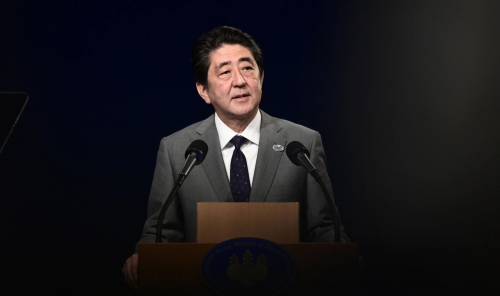
Gunman Admits to Killing Former Japanese Prime Minister Shinzo Abe
Tetsuya Yamagami, the man accused of assassinating former Japanese prime minister Shinzo Abe, pleaded guilty on Tuesday, nearly three years after the shocking daylight shooting that stunned the nation and reverberated worldwide. Appearing in a Nara courtroom in handcuffs and a black T-shirt, the 45-year-old quietly admitted to the charges, saying, “Everything is true.”
The July 2022 killing of Japan’s longest-serving leader marked a turning point for a country unaccustomed to gun violence, prompting both public mourning and intense scrutiny of Abe’s political connections. The incident also exposed the deep and controversial ties between Japan’s conservative establishment and the Unification Church, a religious group accused by critics of exploiting followers financially and emotionally.
Prosecutors said Yamagami harbored resentment toward the Church, which he blamed for his family’s hardship following his mother’s heavy donations. Initially intending to target Church officials, Yamagami ultimately turned his anger toward Abe, believing the former leader’s death would draw national attention to the group’s influence.
His defense team indicated plans to contest some charges, including violations of Japan’s strict arms laws, as the weapon used was a handmade gun. The long-delayed trial had faced previous postponements, including a bomb scare in 2023 that led to the evacuation of the courthouse.
The case continues to grip Japan, highlighting social and political fissures surrounding religion, politics, and mental health — and reigniting debate over how a single act of violence could so deeply alter the country’s sense of security and political landscape.
Related Posts