

Arab football heads into historic 2026 World Cup
As the 2026 FIFA World Cup prepares to kick off across the United States, Canada, and Mexico, Arab football is set for its most significant global presence in history, with an unprecedented number of nations competing in the expanded 48-team tournament.
The move from 32 to 48 teams has reshaped the international football map, widening qualification pathways and bringing new voices into the global conversation. For Arab nations, it has created a stage defined by contrast: first-time entrants, returning sides, and established contenders all arriving in North America with different histories but shared ambition.
Jordan’s Historic Debut
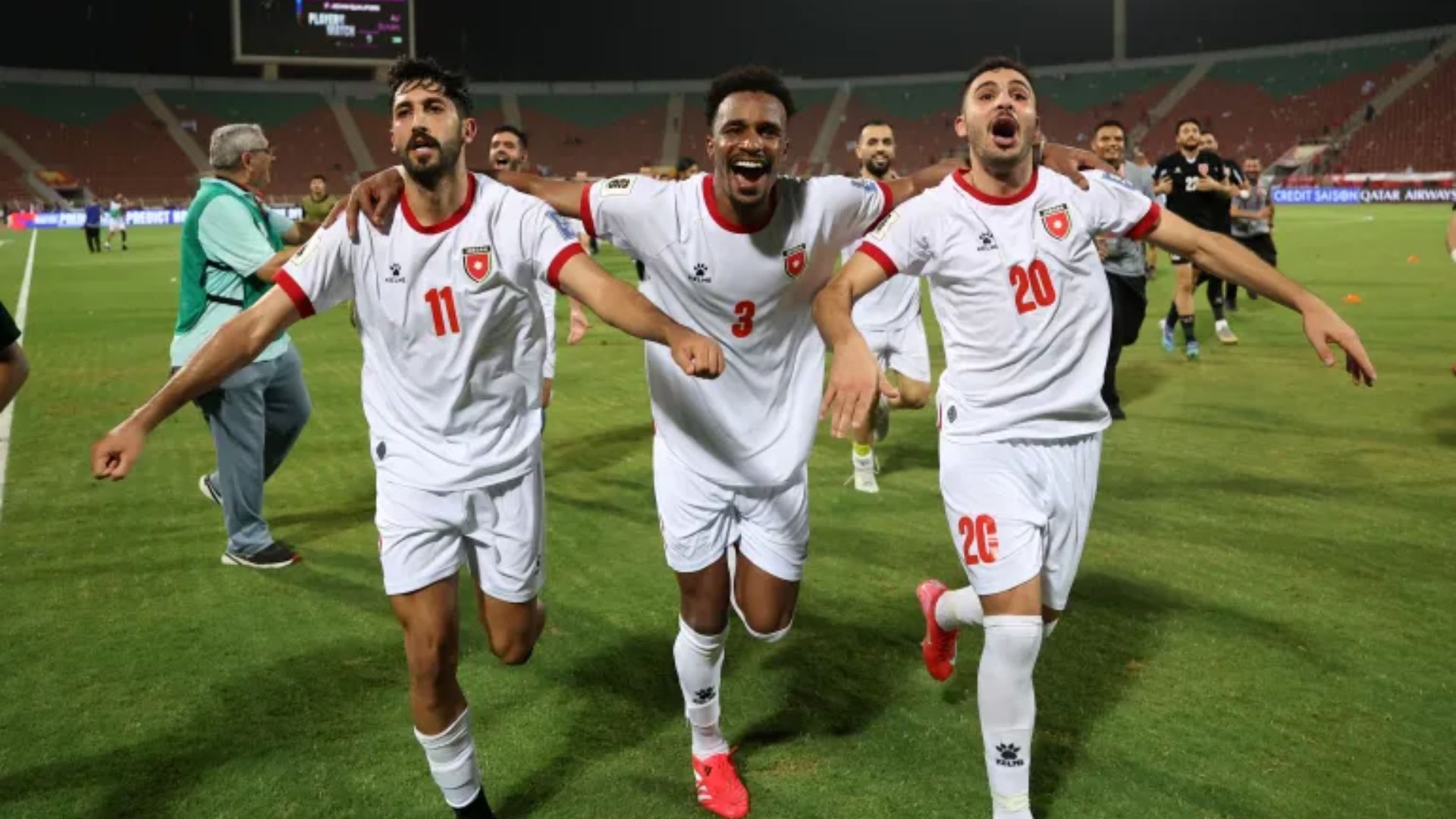
Jordan will step onto the FIFA World Cup stage for the first time after a historic qualification campaign. They finished their AFC first-round group with four wins, one draw, and one defeat, including a 7–0 win over Pakistan. In the final round, they placed second to secure automatic qualification from a highly competitive group featuring South Korea, Iraq, Oman, Palestine, and Kuwait. Ali Olwan scored 9 goals during the qualification campaign, including a critical hat-trick against Oman, making him one to watch on the global stage.
They now face a demanding Group J featuring Argentina, Algeria, and Austria
Morocco Leads Arab Hopes
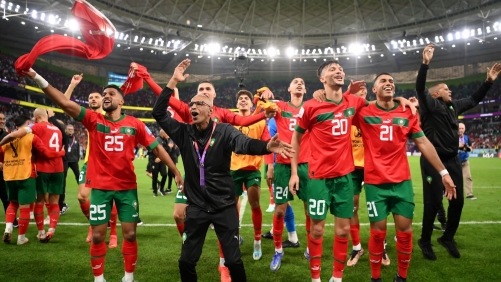
Morocco entered the tournament as the highest-ranked Arab side, and arguably its most complete team on paper, arriving on the back of a near-perfect qualifying campaign: eight wins from eight matches, with only two goals conceded.
Their rise remains anchored in their landmark 2022 World Cup run, when they became the first Arab and African nation to reach the semi-finals and finish fourth, permanently shifting expectations around what is possible for the region on the world stage.
Since then, the Atlas Lions have remained firmly in the global spotlight. Their Africa Cup of Nations campaign was equally eventful. Months later, they were awarded the title after Senegal were deemed to have forfeited the final they had originally won against Morocco at the start of the year.
At the heart of their ambitions once again is Achraf Hakimi, who arrives at the tournament fresh from a Champions League-winning season with Paris Saint-Germain, further underlining his status as one of world football’s elite full-backs. Now led by coach Mohamed Ouahbi following Walid Regragui’s departure earlier this year, Morocco enters a new cycle of scrutiny, with their group placing them alongside Brazil, Scotland, and Haiti in Group C.
Qatar Return
Qatar returns for a second-ever World Cup appearance, this time having qualified through the standard pathway after hosting in 2022. Their journey began with early dominance, comfortably topping their second-round group, before a tougher third round in which they finished fourth. They recovered in the fourth-round playoffs, sealing qualification with a 2–1 victory over the United Arab Emirates to confirm their place at the finals.
The Maroons now face a challenging Group B featuring Switzerland, hosts Canada, and Bosnia and Herzegovina.
Algeria Eye Deep Run
Algeria returns to the World Cup for the fifth time after an impressive qualifying run of eight wins, one draw, and one defeat.
Their last real deep impression at the tournament came in 2014, when they pushed eventual champions Germany into extra time in the knockout stages.
This current squad blends experience and emerging talent, with Riyad Mahrez providing leadership alongside Ibrahim Maza and Anis Hadj Moussa.
They begin in Group J against Argentina, Jordan, and Austria.
Egypt Built Around Salah
Egypt arrived with momentum from a strong qualifying campaign led by Mohamed Salah, who scored nine goals as they topped their group with 26 points.
Despite being Africa’s most decorated national team, their World Cup history still lacks a defining deep run, adding pressure and anticipation around this squad.
They enter Group G with Belgium, New Zealand, and Iran, where expectations once again rest heavily on Salah’s influence and leadership.
Tunisia Target Breakthrough
Tunisia arrives in strong defensive form, having qualified without conceding a single goal and finishing top of Group H with 28 points.
Consistency has long defined their international presence, yet a first-ever knockout stage appearance remains elusive.
Their group-stage clash with Japan also marks the tournament’s 1,000th match, adding historical weight to their campaign. Tunisia will face Japan, the Netherlands, and Sweden in Group F.
Green Falcons Return
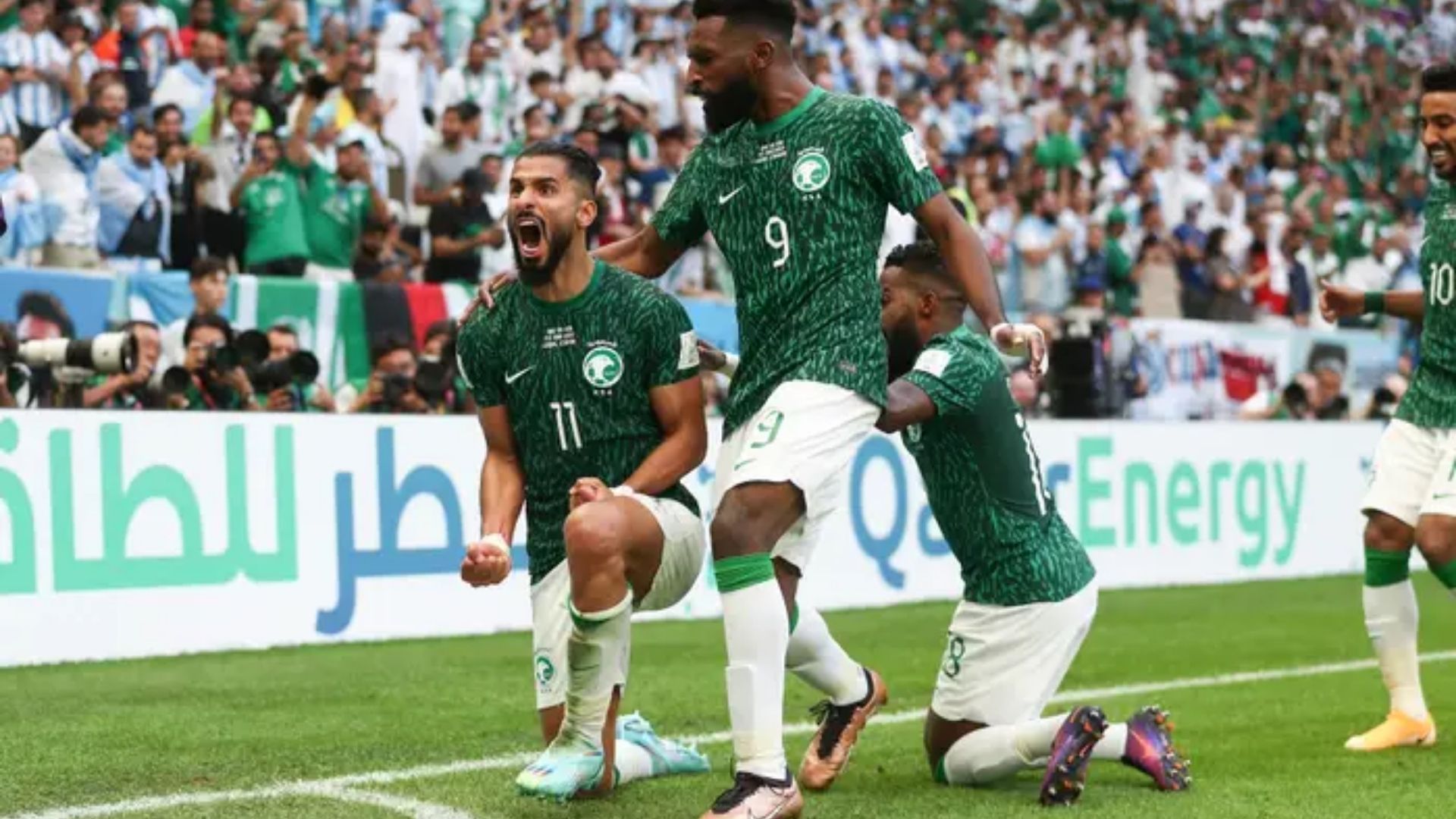
Saudi Arabia returns for their seventh World Cup appearance after a challenging qualification journey that saw them finish third in a difficult Asian group before advancing through the final phase.
Their best performance remains their 1994 debut, when they reached the Round of 16, a benchmark still referenced in discussions about their World Cup potential.
They now face Spain, Uruguay, and Cape Verde in Group H.
Iraq’s Fairytale Return
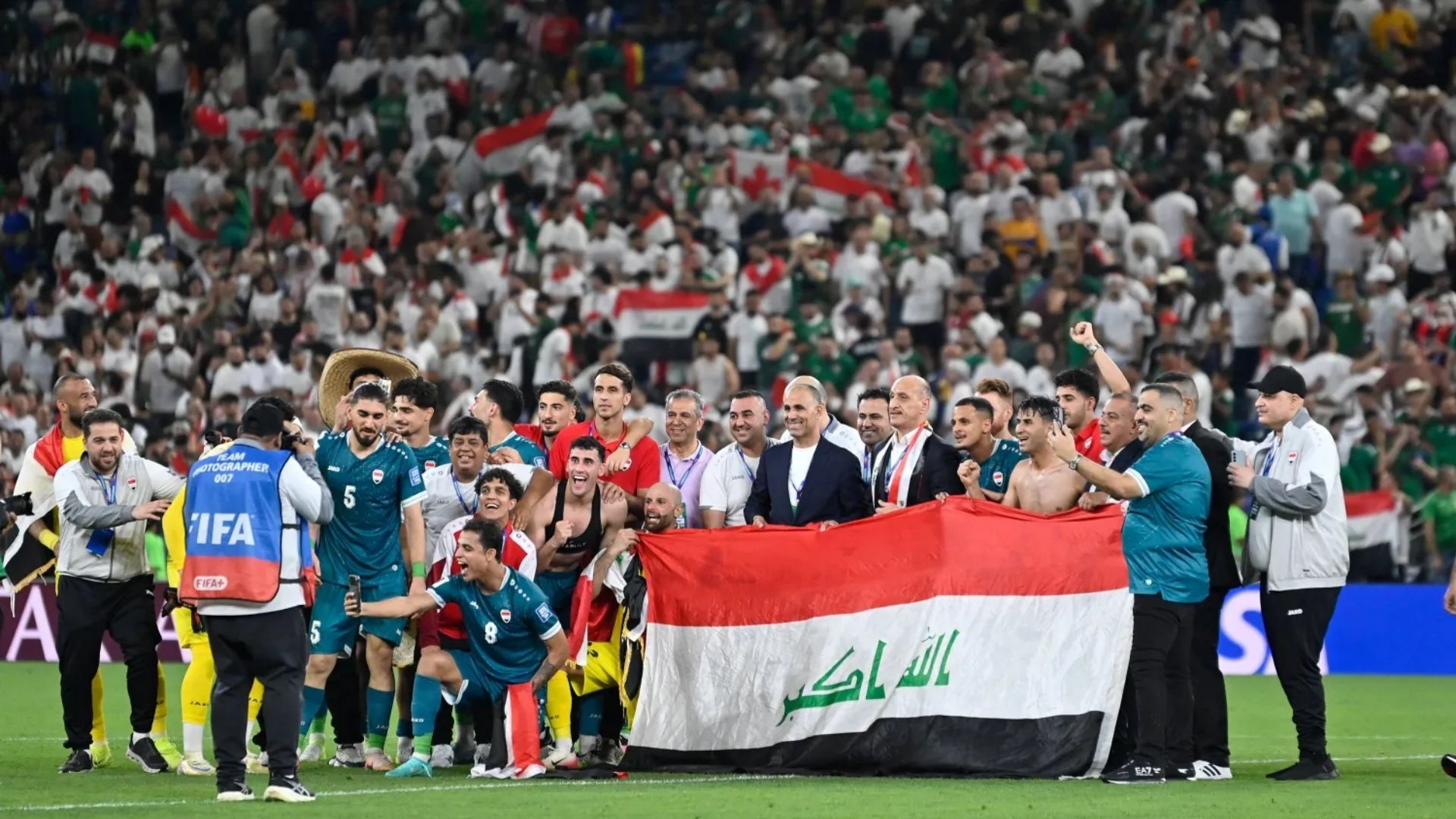
Iraq rounded out the Arab contingent after a dramatic qualification campaign that ended with a play-off victory over Bolivia.
It marks their second World Cup appearance and their first in 40 years, completing one of the most emotionally significant qualification stories in the region.
They now enter Group I alongside Norway, Senegal, and tournament favourites France.
Related Posts