

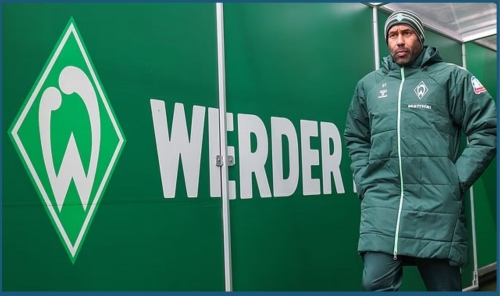
Werder Bremen Cancels US Tour
German Bundesliga club Werder Bremen has cancelled its planned summer tour of the United States, citing political, sporting and economic reasons.
The club was preparing to travel to the US in May for friendly matches in Minneapolis and Detroit. The tour was scheduled ahead of the 2026 FIFA World Cup, which will be hosted by the United States, Canada and Mexico.
However, Bremen decided not to proceed with the trip. A club spokesperson said playing in a city facing unrest does not match the club’s values.
Minneapolis has recently seen large protests following the deployment of federal Immigration and Customs Enforcement (ICE) agents. The crackdown is part of immigration policies introduced under US President Donald Trump. During the protests in January, two American citizens were reportedly shot dead.
The spokesperson said safety concerns and political tensions influenced the decision. The club also pointed to new US entry requirements, which include reviewing social media activity before granting visas.
“It was unclear which players would be able to enter the USA under the stricter rules,” the spokesperson explained.
Sporting and financial risks also played a role. Bremen currently sit 16th in the Bundesliga table, in the relegation playoff position. The possibility of relegation made planning the overseas trip more complicated and financially uncertain.
European clubs often organise off-season tours in the United States to prepare for the new season and expand their global fan base. The US is a popular destination, especially with the upcoming 2026 World Cup.
Four-time German champions, Werder Bremen last won the Bundesliga title in 2004. The club is known for taking public positions on social issues.
In 2024, Bremen left the social media platform X — formerly Twitter — criticising the platform under owner Elon Musk for what they described as increased hate speech and extremist content.
Recently, Bremen coach Daniel Thioune also commented publicly on the racism controversy involving Brazilian footballer Vinícius Júnior.
The club’s decision highlights how political and social developments can affect international sports planning.
Related Posts