

Gulf Economies Set for Strong Rebound in 2027
TDT | Agencies
Email: mail@newsofbahrain.com
Gulf economies could stage a strong recovery next year if the conflict involving Iran does not intensify, with the World Bank projecting 10.3 percent growth across GCC economies in 2027.
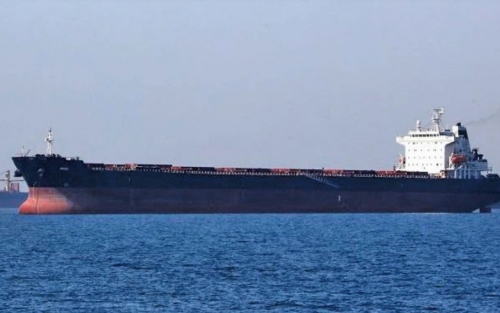
The forecast assumes that oil production and international shipping gradually return to normal from early next year. A recovery in trade, tourism and domestic economic activity is also expected to support growth after disruptions linked to the conflict and reduced traffic through the Strait of Hormuz.
The World Bank expects GCC economies to contract by 4.3 percent in 2026 as the conflict weighs on energy production and trade. Across the wider Middle East, North Africa, Afghanistan and Pakistan region, economic output is projected to decline by 2.1 percent, compared with 3.3 percent growth in 2025.
The World Bank said a recovery would depend on the conflict easing by the end of 2026 and sustained policy efforts. Excluding Iran, the wider MENAAP region could grow by 7.8 percent in 2027, supported largely by a recovery in oil and gas production and exports.
Saudi Arabia Poised for Strong Recovery
Saudi Arabia's economy is forecast to shrink by 2 percent in 2026 before expanding by 7.9 percent in 2027. The Kingdom has been partly protected from disruptions around the Strait of Hormuz through its East-West Pipeline, which transports crude to the Red Sea port of Yanbu.
Thomas Kuruvilla, managing partner of Arthur D. Little Middle East and India, said Saudi Arabia is entering the expected recovery with a more diversified economic base than during previous oil-driven cycles.
Construction, logistics, business services, tourism and hospitality could benefit from stronger activity, while continued investment under Vision 2030 could support longer-term diversification.
Kuruvilla said the key challenge will be ensuring that the recovery in oil production translates into stronger private-sector investment, productivity and economic activity.
Qatar, Kuwait and UAE Also Expected to Rebound
The World Bank expects Qatar's economy to expand by 26.7 percent in 2027, supported by the recovery of liquefied natural gas production. Kuwait is projected to grow by 22 percent as oil exports return towards normal levels.
The UAE is forecast to record 9.5 percent growth, while Bahrain and Oman are projected to expand by 4.2 percent and 3.4 percent, respectively.
Kuruvilla said improving regional stability and stronger economic activity could help restore investor confidence. Greater private-sector participation, stronger corporate cash flows and increased risk-sharing with investors would indicate that the recovery is becoming broader and more sustainable across the GCC.
Related Posts