

Smarter AC Use Could Cut Bahrain Power Bills
Air conditioning swallows around 60 per cent of household electricity consumption in Bahrain, according to the Electricity and Water Authority, which says simply choosing a higher-rated unit can cut that figure by about 20 per cent.
EWA said the key figure to look for when buying is the Energy Efficiency Ratio, or EER, which indicates how efficiently a unit converts electricity into cooling. The higher the number, the lower the consumption over the life of the machine.
The authority has been reminding households of the link between cooling and bills as summer temperatures peak, a period when Bahrain's electricity demand runs at its highest of the year.
Retailers and maintenance specialists say the fastest savings come from settings rather than spending. Keeping the thermostat between 23 and 25 degrees Celsius gives a workable balance between comfort and consumption, since the smaller the gap between indoor and outdoor temperature, the less strain is placed on the compressor. Setting a unit to 16 or 18 degrees does not cool a room any faster, as the machine works at the same capacity either way, it simply runs for longer and sometimes never reaches the target at all.
That also settles the argument over whether to switch the unit off between uses. Leaving an air conditioner running continuously at a moderate temperature, such as 24 or 25 degrees, uses less energy than repeatedly turning it off and on, because each restart demands significant power and effort from the compressor to cool the room from scratch.
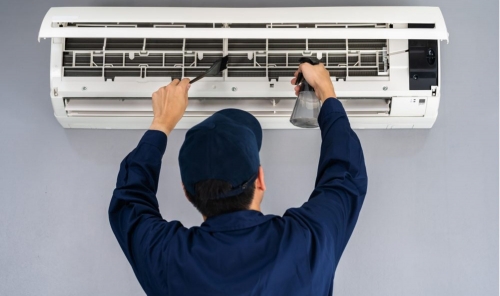
Filters are the other common culprit. Dust builds up and restricts airflow, forcing the unit to work harder for less cooling, so washing filters every fortnight and letting them dry fully before refitting makes a measurable difference. Specialists recommend replacing air filters roughly every six months, a step they say can reduce consumption by between five and 15 per cent, alongside regular servicing of both the indoor unit and the outdoor condenser, which expels heat and loses efficiency when clogged with dust or debris.
Households with older machines may find the biggest saving comes from replacing them altogether. Inverter units run at higher efficiency and consume noticeably less over time, while a unit poorly matched to the size of a room—whether too small or too large—will either run for hours or cycle on and off repeatedly, wearing out the compressor in the process.
Related Posts