

Flex Learning Rolls
Students and parents welcome Bahrain’s decision on learning options
Parents and students across Bahrain have expressed strong support for the government’s new decision allowing families to choose between online learning and classroom attendance for the remainder of the academic term, calling it a practical and balanced approach to education.
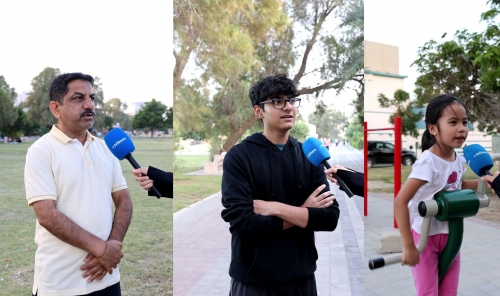
Many parents said the move restores confidence in classroom learning while still providing flexibility. “In-person learning is better for students because they stay focused and disciplined in school,” said Subhash. “We trust the government and will send our children if schools are open.”
His daughter shared her excitement about returning to school, saying, “I want to go back to school. I miss my friends.”
Other students shared similar views, highlighting the benefits of face-to-face interaction with teachers. “Offline learning is better because you can directly ask questions and clear doubts,” one student told The Daily Tribune, adding that classroom teaching improves understanding compared to online lessons.
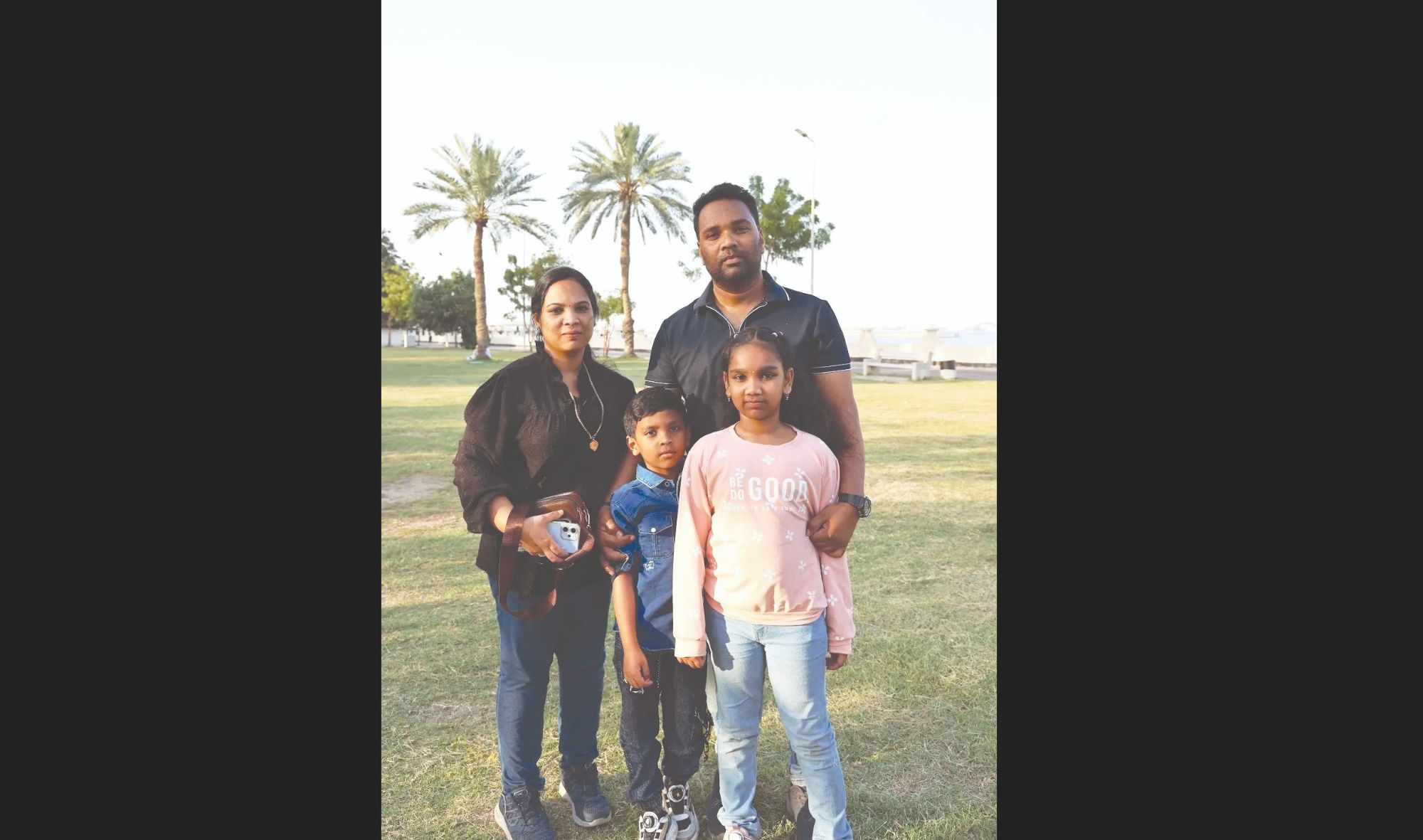
A Filipino child also expressed joy at the return option, saying, “I miss my school. I want to go back as soon as possible.”
Her mother acknowledged the challenges of balancing work and home responsibilities but said in-person schooling remains the preferred option for many families.
An elderly resident also supported the shift, noting concerns that prolonged screen time and remote learning may affect children’s study habits and eye health.
The positive reactions follow a new policy announced by Education Minister Dr Mohammed bin Mubarak Juma, under which all public school students from Year 1 to Year 12 can choose between remote and in-person learning for the rest of the term.
Private schools have also been given flexibility to decide their own teaching and examination arrangements based on their systems and capabilities.
The initiative aims to balance educational continuity with family needs, while allowing schools greater autonomy in managing learning delivery.
As Bahrain rolls out this flexible education model, families now play a central role in deciding the most suitable learning path for their children, marking a shift toward a more adaptable and inclusive education system.
“We trust the government’s decision,” - Subhash
Related Posts