

Eight illegal health sites and 56 unlicensed practitioners found in Bahrain
TDT | Manama
Email : editor@newsofbahrain.com
Eight unlicensed premises and 56 unlicensed individuals were found providing health services in Bahrain over the past two years, with all cases sent to the Public Prosecution, according to a written reply from health authorities to Parliament.
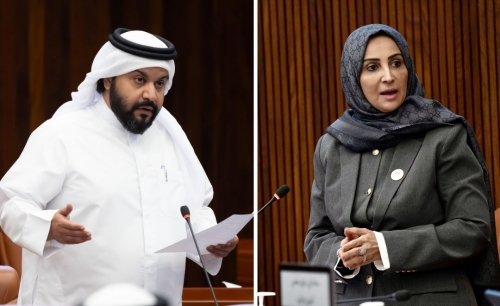
The National Health Regulatory Authority (NHRA), in an answer passed on by the Health Ministry to MP Ali Saqer Al Dosari, said it had no reports of harm or medical errors linked to these specific violations. It said that once such cases are picked up, they are referred to prosecutors, while complaints about licensed practitioners follow the NHRA’s usual complaints and disciplinary process.
The reply stated that there are no ‘unlicensed clinics’ in the strict technical sense, but premises used without approval to provide health-related services. Over the past two years, inspectors found eight locations where health professions were being practised without a licence, and 56 people without permission were discovered carrying out health-related work in private premises not authorised by the NHRA.
The Authority added that medical errors and other harm are tracked through complaints and reports submitted by patients, families and judicial bodies against licensed practitioners. These files go to specialist technical committees within the NHRA, which examine professional and ethical breaches and recommend action.
Mr Al Dosari had asked for detailed figures on unlicensed clinics, doctors and other practitioners caught over the past two years, the harm they caused, the checks used on qualifications before licences are issued, and how unlicensed practitioners managed to work in Bahrain.
In reply, the NHRA described how it verifies qualifications before granting a licence to practise. Applicants must provide copies of their certificates and transcripts, and these are checked against the personal details and information in the application. The university that issued a degree must appear on the Ministry of Education’s list of recommended institutions and match decisions of the Supreme Council of Health for degree-level study.
For specialist training, the qualification must be listed in the NHRA guidance manual approved by the Supreme Council of Health. The Authority then asks accredited verification companies to confirm the authenticity of the qualification. These firms confirm the validity of the certificate, the name and level of the qualification, years of study or training, the awarding institution, the country, the start and end dates of the programme, the year of award and whether the qualification is recognised in the issuing country.
If a qualification is not in line with Ministry of Education lists, Supreme Council of Health standards or the NHRA guidance manual, the file is sent to specialist committees to examine the case and give an opinion. Where qualifications are found to be invalid or do not meet required conditions and standards, the licence is refused.
On how unlicensed practitioners were able to operate, the Authority said its investigations and inspection visits showed that most of those caught had started working inside premises that were never licensed by the NHRA. Working from such locations allowed them to provide services without holding a licence. The reply said legal measures were taken as soon as these breaches were found.
Related Posts