

Preventing next pandemic
Global health experts unite in Bahrain to strengthen One Health framework
TDT | Manama
Email : ashen@newsofbahrain.com
At a time when global health systems face mounting pressures from pandemics, climate change, and rising food insecurity, Bahrain has become the regional stage for an ambitious and collaborative movement, the One Health approach.
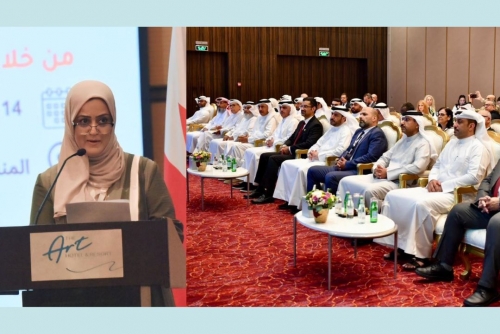
The Regional Workshop for the Middle East, organized by the World Organisation for Animal Health (WOAH) in cooperation with Bahrain’s Ministry of Municipalities and Agriculture Affairs, has drawn international and regional experts to Amwaj Islands to advance a unified action plan aimed at bridging the gap between human, animal, and environmental health.
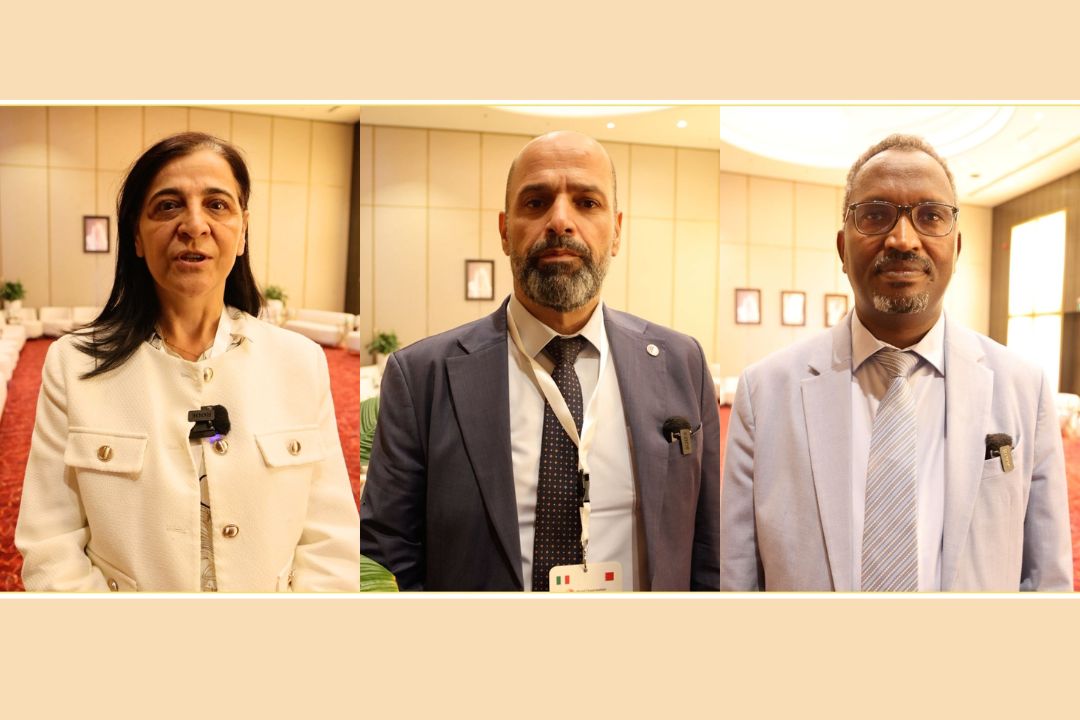
Speaking to The Daily Tribune, Dr. Markos Tibbo, Senior Livestock Development Officer at the FAO Subregional Office for the GCC States and Yemen, stated that this workshop represents a critical step toward translating global strategy into local action.
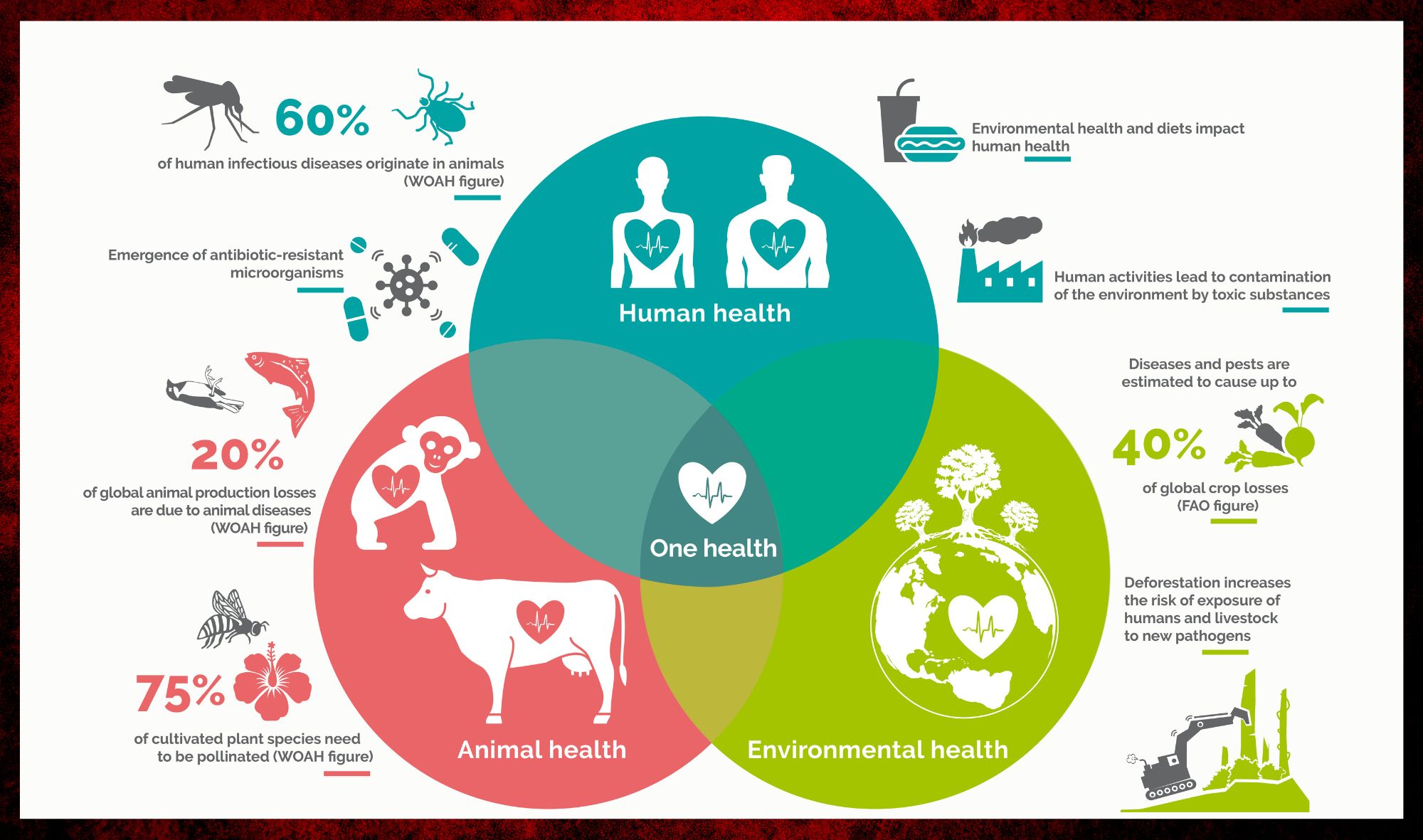
“The One Health Joint Plan of Action, approved globally by the Quadripartite FAO, WHO, WOAH, and UNEP is meant to harmonize actions on the ground,” Tibbo explained. “Diseases don’t respect borders or disciplines. To effectively respond, we must adopt a multidisciplinary approach that unites veterinarians, doctors, environmentalists, and policymakers.”
He emphasized that zoonotic diseases that spread between animals and humans remain a key concern for the region.
“The Middle East has faced several challenges such as the Middle East Respiratory Syndrome Coronavirus (MERSCoV), which emerged in 2012 and is linked to camels. Although its prevalence has declined, it still lingers,” he said. “COVID-19, caused by SARS-CoV-2, also continues to pose risks, with evidence of animal-to-human transmission. The threat of viral recombination is real and could spark new pandemics if left unchecked.”
Other regional zoonotic threats include tuberculosis, brucellosis, and other livestock-related infections that, while not pandemic-level risks, significantly impact food safety, trade, and livelihoods, Tibbo told DT.
Building Capacity
From a regional coordination perspective, Dr. Ahmad M. Almajali, Regional Representative for the Middle East at the World Organisation for Animal Health, highlighted the importance of capacity building and collaboration.
“This event brings together the Chief Veterinary Officers and national delegates from across the Middle East to discuss how to operationalize the One Health Joint Action Plan,” he said. “Our focus is on strengthening national systems, sharing tools developed by the global organizations, and ensuring that every country is prepared to face future threats to animal and environmental health.”
The plan, he added, revolves around a multi-sectoral approach that integrates surveillance, response, and prevention measures to build resilient systems against health emergencies.
sadfsf
Related Posts