

Clean energy shift
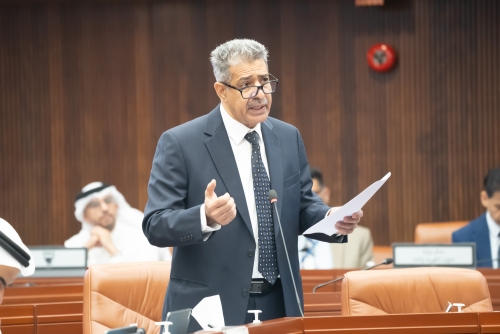
MP calls for study on small nuclear reactors to power Bahrain
TDT | Manama
Email: mail@newsofbahrain.com
Twelve - month study sought to test small, safe nuclear reactors for Bahrain’s grid, as MP Dr Munir Seroor moves to add SMRs to the power mix under the clean-energy plan.
The proposal asks the relevant bodies to run a country-wide feasibility study within a year, covering technical, economic and environmental factors, and to work with international organisations and states with know-how.
Supply
Findings would guide any later decision on placing SMRs in Bahrain’s supply.
Seroor says the aim is to shore up energy security by widening sources and easing reliance on natural gas, with demand rising on the back of population and economic growth.
He argues SMRs fit small and mid-sized countries: compact units that can be built on tight sites, with high safety margins, passive cooling, near-zero carbon output and the ability to match power and desalination needs. He notes this fits Bahrain’s environmental pledges.
SMR schemes
The lawmaker adds that SMR schemes need smaller outlays than large reactors, which makes a full feasibility review the next step.
Expected gains include greater self-reliance in power, lower economic risk, new clean-energy investment and skilled jobs in nuclear engineering and hightech fields, as well as a stronger regional standing on sustainable energy.
Seroor calls for a joint team from the Ministry of Electricity and Water, the Ministry of Environment and the Sustainable Energy Authority to oversee the work and liaise with partners in South Korea, Canada, Russia and the United Arab Emirates.
Analysis
The study would deliver a full technical, economic and environmental analysis within 12 months.
The submission says SMRs suit Bahrain’s geography, noting they require neither vast land parcels nor abundant cooling water.
Waste heat could be used for desalination, cutting gas use and helping build future fiscal buffers, in line with Bahrain Vision 2030 and a lower-emissions economy.
Regional examples
Seroor points to regional examples, including the UAE’s Barakah plant for power generation and emissions cuts, Saudi plans to use SMRs as part of its energy diversification, and civil nuclear projects in Jordan and Egypt focused on electricity and water.
He concludes that the step aims to place Bahrain among states adopting safe, sustainable power generation while supporting economic self-reliance and environmental protection.
Related Posts