

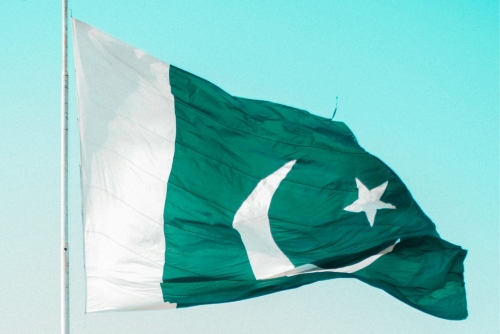
Pakistan reduces tariffs at Gwadar Port in bid to boost global traffic
Email: online@newsofbahrain.com
ISLAMABAD: The Ministry of Maritime Affairs in Pakistan has recently unveiled a comprehensive restructuring of its tariff framework for Gwadar Port, marking a decisive shift in the nation’s maritime strategy.
By significantly lowering operational costs and extending storage incentives, the government aims to transform the deep-sea port from a regional alternative into a primary hub for international transshipment and transit trade. This move is strategically timed to capitalize on the port’s unique geographic position, offering a direct link between the landlocked markets of Central Asia and the global shipping lanes of the Middle East.
At the core of this initiative are substantial fee reductions across critical shipping operations. Container vessels and ships carrying transit cargo will now benefit from a 25% reduction in berthing fees, while port charges for international transshipment containers have been slashed by 40%.
Furthermore, transit container cargo, a vital component of the port's revenue potential, has seen its costs cut by 31%. These fiscal adjustments are designed to lower the barrier to entry for global shipping lines, making Gwadar a more financially viable competitor to established ports in the region.
Complementing these tariff cuts is a generous storage policy that addresses the logistical bottlenecks often faced by traders. The ministry has introduced a one-month free storage period for general cargo, a drastic departure from the five-day standard typically found at other national ports.
This "congestion-free" value proposition, emphasized by Maritime Affairs Minister Junaid Anwar Chaudhry, positions Gwadar as an efficient, low-stress environment for high-volume trade.
Ultimately, these reforms represent more than just economic adjustments; they are a calculated effort to integrate Gwadar into the global supply chain. By offering deep-sea capabilities paired with competitive pricing,
Pakistan seeks to provide a vital trade corridor for Afghanistan and Central Asian republics. As these incentives take effect, the success of the port will likely serve as a barometer for the broader economic integration of the region, potentially reshaping trade dynamics across the Indian Ocean.
Related Posts