

Shutdown Ends: Trump Signs Stopgap Bill, Lawmakers Face New Deadline
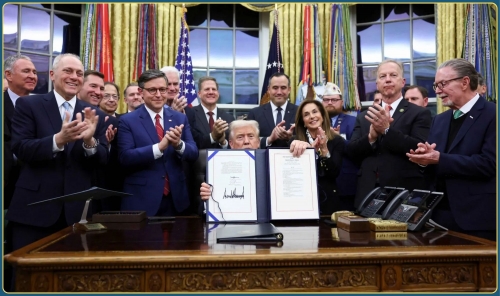
President Donald Trump has signed a short-term spending bill to reopen the federal government, officially ending the longest shutdown in U.S. history.
The president signed the measure late Wednesday night, just hours after the House of Representatives approved it in a 222–209 vote. The Senate had passed the bill earlier in the week following days of tense negotiations.
Speaking from the Oval Office, Trump announced that the government would “resume normal operations” after what he described as “a painful period” for millions of Americans. The 43-day shutdown, which began in early October, had disrupted federal services, delayed food aid programs, and caused major slowdowns in air travel across the country.
Approximately 1.4 million federal employees had been furloughed or forced to work without pay, while agencies such as the Federal Aviation Administration (FAA) struggled with severe staff shortages. The reopening is expected to ease air travel disruptions ahead of the busy Thanksgiving holiday.
The newly approved bill will keep the government funded until January 30, giving lawmakers a narrow window to agree on a longer-term solution.
Political Tensions and Fallout
Trump blamed Democrats for the shutdown, accusing them of acting “purely for political reasons.” He urged voters to “remember what they’ve done to our country” ahead of the midterm elections.
The shutdown began when Senate Democrats refused to support an earlier Republican funding proposal, demanding assurances on extending healthcare subsidies for low-income Americans. Republicans argued that the healthcare debate could be addressed after the government reopened.
A breakthrough came when eight Senate Democrats joined Republicans to approve the spending bill in exchange for a promise of a December vote on the healthcare subsidies. The move sparked backlash within the Democratic Party, with House Minority Leader Hakeem Jeffries and California Governor Gavin Newsom criticizing the compromise as inadequate.
Senator Tim Kaine, one of the Democrats who supported the deal, defended the decision, saying federal workers in his state were “thankful to finally see an end to this impasse.”
New Faces and Legislative Moves
On the same day, Democrats welcomed Adelita Grijalva, newly elected representative from Arizona, to the House floor. Grijalva, who succeeds her late father, Raul Grijalva, was sworn in just hours before the final vote to reopen the government.
Democrats immediately enlisted her support for a petition seeking a vote on releasing files related to financier Jeffrey Epstein. House Speaker Mike Johnson later announced he would schedule the vote next week, surprising many members across the aisle.
What’s in the Spending Bill
The stopgap funding measure provides:
-
Federal government operations through January 30
-
Full-year funding for the Department of Agriculture, military construction, and legislative agencies
-
Back pay for all federal workers affected by the shutdown
-
Continued funding for the Supplemental Nutrition Assistance Program (SNAP) through next September
The agreement also includes a commitment to hold a vote in December on the healthcare subsidies central to the Democrats’ initial objections.
As Washington breathes a temporary sigh of relief, lawmakers now face renewed pressure to reach a long-term budget deal and avoid another funding crisis early next year.
Related Posts