

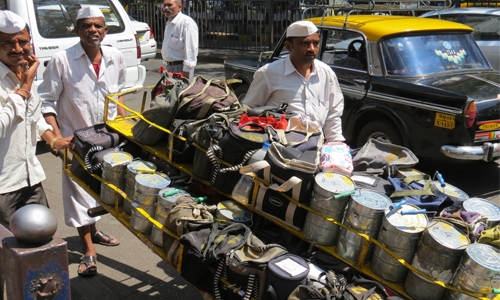
Mumbai Dabbawalas will deliver leftovers to poor
Large quantities of food from weddings, parties and other functions in Mumbai ends up in the garbage bin. The internationally known Mumbai Dabbawalas will soon have these leftovers delivered to pavement dwellers, slum residents and anyone living below the breadline.
Around 400 of them have started the initiative 'Roti Bank' to prevent the wastage of food at social functions this festive season.
The Dabbawalas, known for their efficient delivery of lunch boxes to people around Mumbai, have tied up with 30 major wedding planners and caterers who will call on two helpline numbers and schedule a 'pick-up'.
If you want to donate the food left over at your house party, you can dial the numbers, +919867221310 and +918652760542. The dabbawalas nearest to the location will collect it and distribute it among the needy.
According to a Times of India report, the Dabbawalas will work beyond their shift for Roti Bank in the afternoon and in the evening. Though the initiative has been launched with focus on year-end festivities, it will continue for the coming months.
THE TIFFIN BEARERS
* Started in 1890, registered in 1956. It's a cooperative, so dabbawalas get their salary directly from the homes of the tiffin makers, the customers
* Number of dabbawalas: 5,000
* Every member contributes Rs15 every month to the cooperative
* Average literacy rate of the dabbawalas: 8th grade schooling
* Total area they cover everyday: 60-70km
* Number of dabbas ferried: 2,00,000
* Time taken: 3 hours
Dabbawalas' mantra: Deliver food on time, every single time
In over 125 years of their existence in Mumbai, the Dabbawalas have been collecting packed lunch boxes from homes to deliver at workplaces, schools and colleges across the city.
After the launch of their website in July this year, the six-sigma rated firm has had many requests from customers to provide them with cooked meals as well.
With a fleet of 5,000 men donning white Gandhi caps, these tiffin bearers help reach lunch boxes to nearly 200,000 people everyday, with a mere alpha-numeric coding, yet no error.
Related Posts