'Shortcomings'
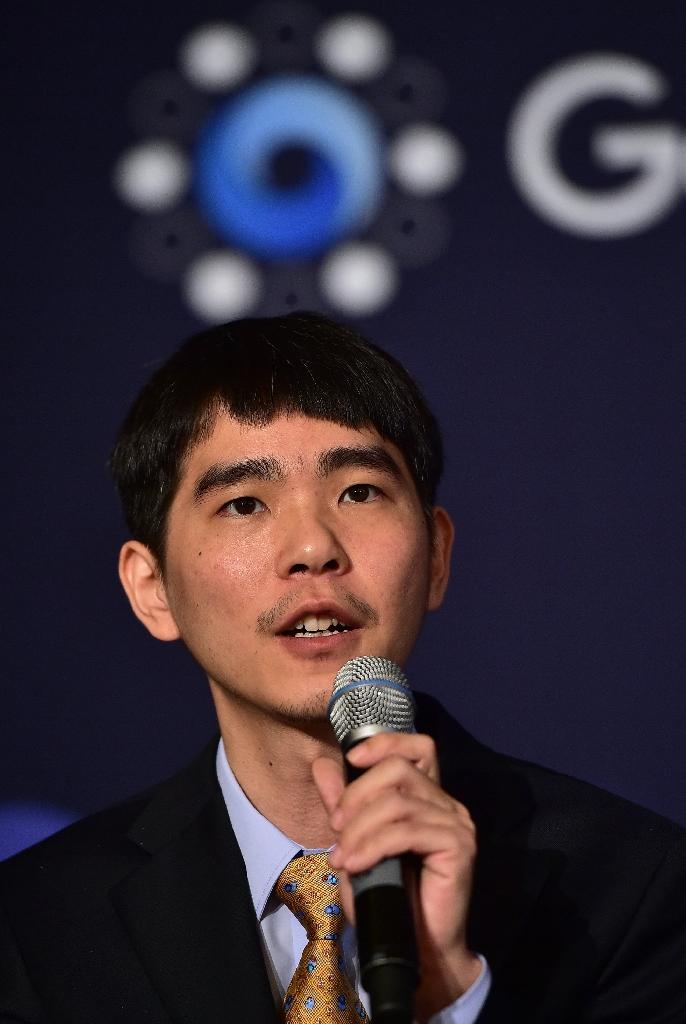
"I started off the match thinking that I had an advantage, but the fact that I was still defeated showed up my shortcomings," Lee told reporters afterwards.
The South Korean, who has 18 international titles under his belt and is widely considered one of the greatest Go players of the modern era, said he felt he had under-performed against a formidable, but beatable opponent.
"I think (AlphaGo) is still at a level that can be challenged by humans and in that sense, like I said earlier, I feel a bit disappointed," Lee said.
"It is different, there's no doubt. First of all, its not human. It took time for me to get used to itsplaying style," Lee said.
"It's not shaken up psychologically and stays focused right until the end," he added.
Described as the "match of the century" by local media, the series was closely watched by tens of millions of fans of the ancient board game -- mostly in East Asia -- as well as AI scientists.
The "machine vs human" element meant the games also made headlines around the world, with AlphaGo's winning performance hailed as a watershed for the future of AI.
The most famous AI victory to date came in 1997, when the IBM-developed supercomputer Deep Blue beat the then-world class chess champion Garry Kasparov.