

What Happens to Bahrain’s Leftover Food?
The scale of household waste is also significant. The UN Environment Programme’s Food Waste Index estimates that Bahrain generates 132kg of household food waste per person each year, the highest figure among Arab countries. The annual waste is estimated at around 146,000 tonnes, with a value of about BD95 million.
Food accounts for around half of the waste deposited at the Askar landfill, highlighting the scale of the challenge.
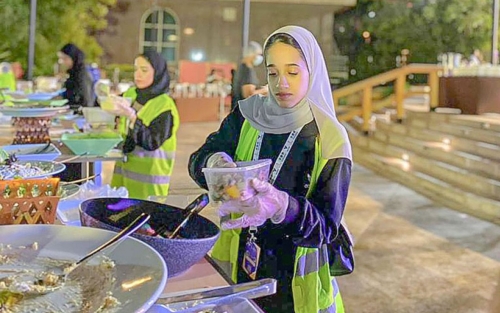
One of the main efforts to recover edible surplus is led by the Conserving Bounties Society, which operates the Bahrain Food Bank. Established in 2014, the society collects untouched surplus food from hotels, restaurants, supermarkets, weddings and corporate events before repacking and distributing it to families and low-income workers.
The society rescued 230 tonnes of food last year, compared with 183 tonnes in 2024, working with 66 hotels, restaurants, supermarkets and cafés.
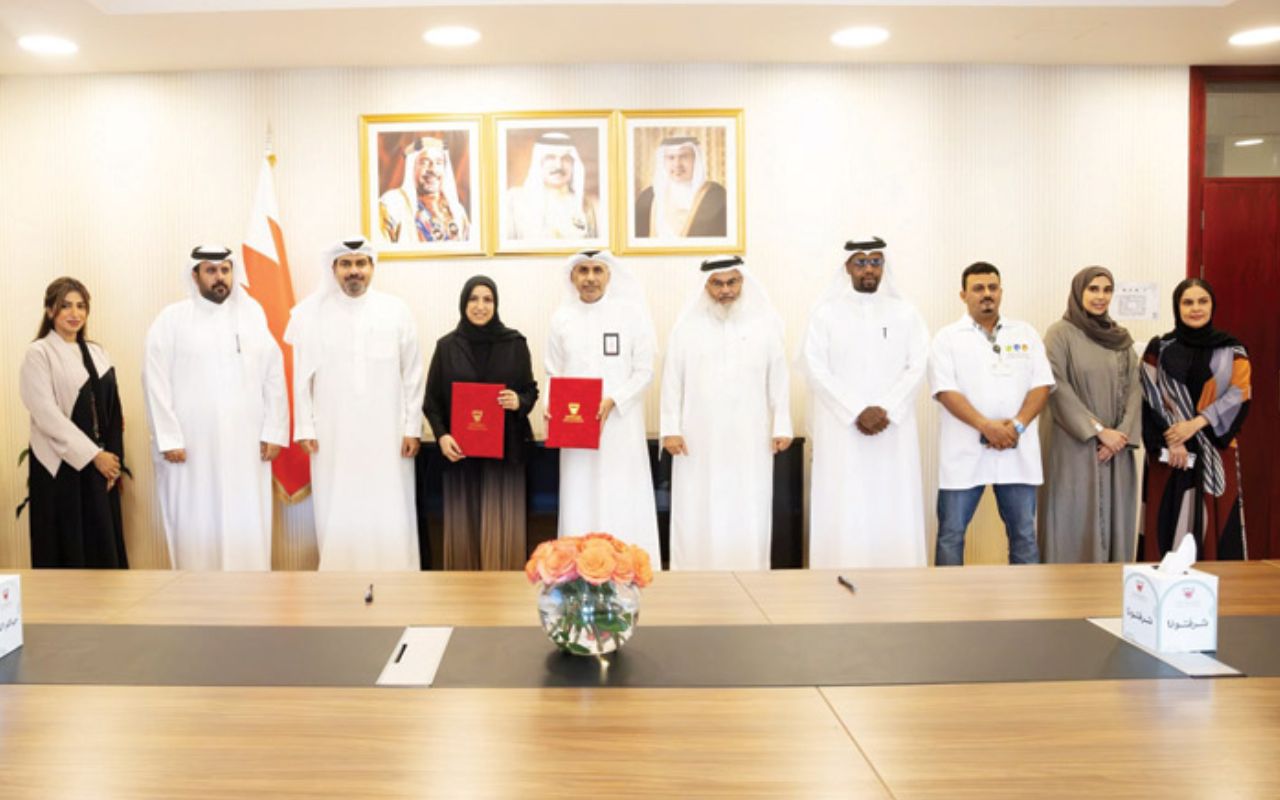
Muharraq Municipality has also joined the effort through an agreement with the society to encourage businesses to donate suitable surplus food. Plans also include converting food unsuitable for redistribution into fertiliser.
Another approach involves surplus food apps, which allow restaurants, cafés and bakeries to sell unsold products at discounts of up to 70 per cent.
While rescue efforts are expanding, reducing waste at its source remains crucial. Buying only what is needed, planning meals, storing food properly and using leftovers can help households reduce the amount reaching landfills.
sdfsdf
Related Posts