

Call to Rethink Street Animal Feeding Fines
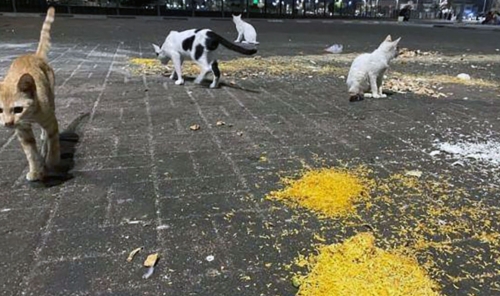
Kind-hearted residents who feed stray animals should not simply be punished for their compassion, Bahrain’s animal welfare chief has said, calling for a regulated system of permits and designated feeding points.
Mahmood Faraj, Chairman of the Bahrain Society for the Prevention of Cruelty to Animals (BSPCA), said authorities should distinguish between responsible animal feeding and the careless dumping of unsuitable food in public areas.
Mr Faraj acknowledged that some residents leave cooked food, including salona and lamb stew, for pigeons and other animals. Such practices can create bad smells, attract insects and cockroaches, and contribute to other public cleanliness problems.
However, he said feeding animals should be regulated rather than completely prohibited.
The BSPCA has proposed introducing permits for residents who regularly feed animals. Applicants could provide photographs and the location of the feeding site, along with details of the food they intend to provide. They would also be expected to clean the area after feeding.
The society has also suggested establishing approved feeding points equipped with machines where people could purchase suitable dry animal food, particularly for cats. Municipal workers could then maintain and clean these locations.
Under Bahrain’s Public Cleanliness Law, throwing or leaving waste outside approved areas can result in fines ranging from BD50 to BD300. Municipal authorities have used these rules when food left for pigeons or stray animals creates rubbish, unpleasant smells or attracts pests.

Mr Faraj stressed that the BSPCA supports cleanliness and does not encourage residents to randomly leave food in streets or public spaces.
The issue is particularly important near Bahrain International Airport, where residents have been urged not to feed pigeons because large concentrations of birds can pose a risk to aircraft.
The proposed system would aim to balance animal welfare, public cleanliness and community compassion, allowing residents to help animals through controlled and approved feeding arrangements.
Related Posts