


Plan Expands Strategic Stockpile Beyond Food
A plan to build Bahrain’s strategic stockpile beyond food to include medicines, medical supplies and key raw materials would help keep the country running through wars, pandemics and supply shocks, Shura Council Second Deputy Chair Dr Jihad Al Fadhel has said.
She said the proposed law should give Bahrain enough room to change what it stores as risks shift, while shielding shoppers and businesses from extra costs.
‘The concept of a strategic stockpile should go beyond food,’ Dr Al Fadhel said.
Food would remain the first concern, but she said reserves should also cover medicines, medical supplies and raw materials needed to keep key sectors working in an emergency.
The list should not be written permanently into the law. Instead, the goods and quantities held would be reviewed as threats and market needs change at home and abroad.
Dr Al Fadhel first took up the issue before Covid-19, saying food security was closely tied to Bahrain’s economic and social stability.
The pandemic then drove home the risk.
She and fellow Shura members filed the proposal in December 2020 after Covid-19 put supply chains under strain and showed the need for legal rules alongside government action.
The plan has been debated twice in the Shura Council. It was first sent back to committee for further study, then returned to the chamber, which agreed it could be considered and sent it to the government to be drafted as a bill under constitutional rules.
Requiring businesses to hold large stocks brings storage, insurance, upkeep and management costs, raising fears that the bill would eventually reach shoppers at the till.
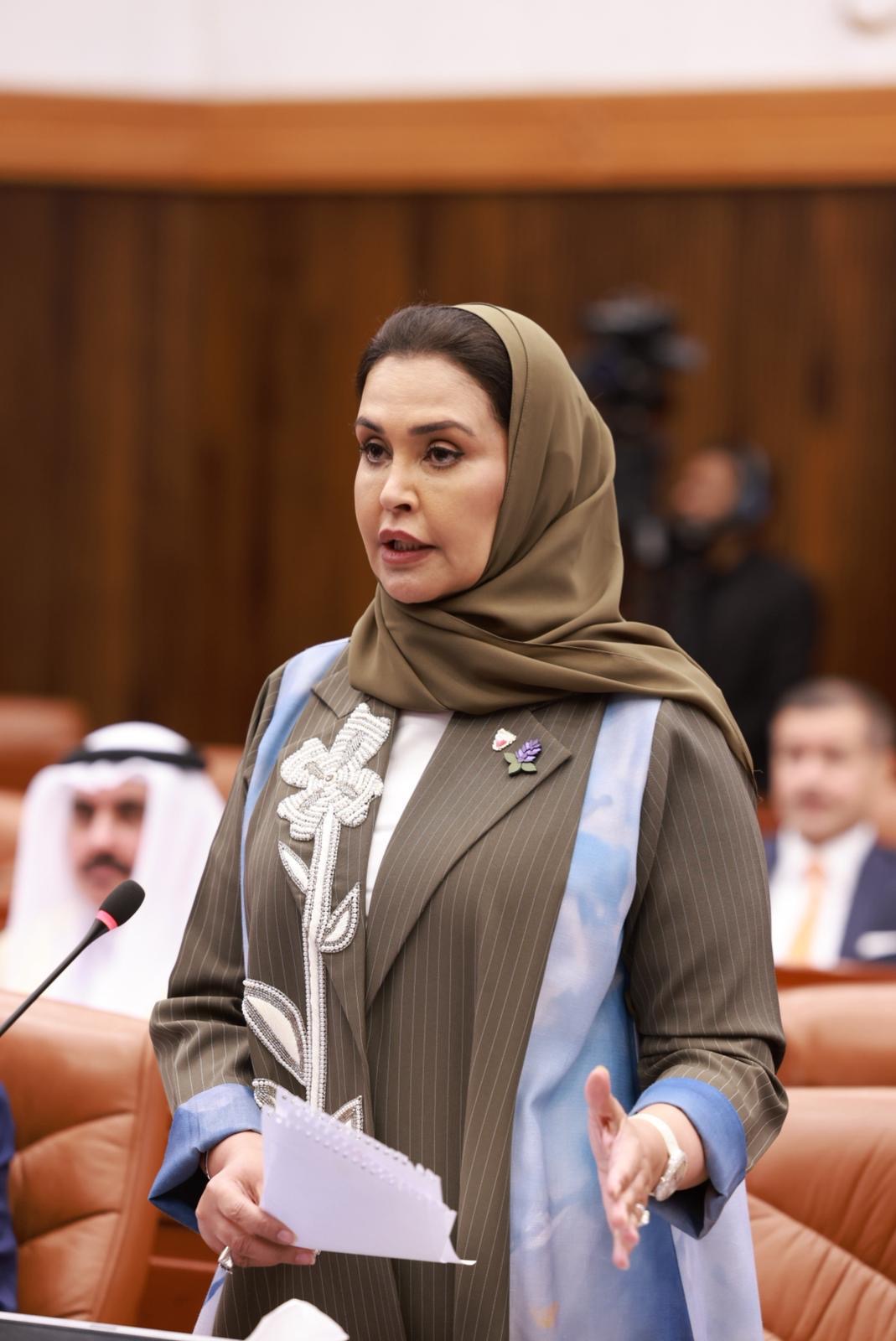
Dr Al Fadhel said that danger had been in mind from the start.
‘The aim was not to transfer additional burdens to the private sector or make the consumer bear their cost,’ she said.
The proposal does not fix rigid stock levels. The goods covered, quantities held and safety reserves would instead be decided through regulations and decisions by the bodies concerned, allowing requirements to change from one product to another and with market conditions.
‘One of the main aims of the proposal is the stability of the local market and commodity prices and the prevention of monopolistic practices, not creating factors that lead to higher prices,’ she said.
Dr Al Fadhel said the long path taken by the proposal did not point to a dispute over its aim. Rather, she said, the work had to settle the roles of government and business and make sure the rules worked in practice.
Related Posts