

Occupational Safety and Health Council Holds Its First Meeting Following Reconstitution
TDT | Manama
Email: mail@newsofbahrain.com
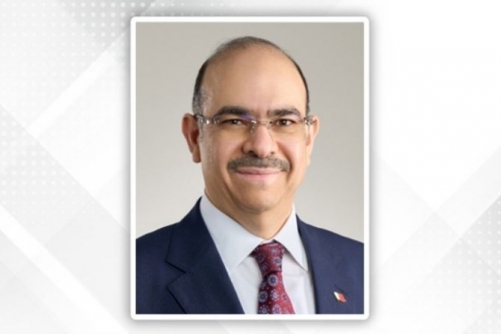
The Occupational Safety and Health Council held its first meeting following its reconstitution, chaired by H.E. Mr. Yousif bin Abdulhussain Khalaf, Minister of Labour and Minister of Legal Affairs, in the presence of council members.
At the outset of the meeting, the Council Chairman congratulated the members on the occasion of the Council’s reconstitution and their selection for membership, wishing them success in carrying out their duties and responsibilities in a manner that contributes to strengthening the occupational safety and health system in the Kingdom of Bahrain.
During the meeting, the Council reviewed its assigned roles and responsibilities, as well as its ongoing efforts to support national initiatives aimed at promoting a safe and healthy working environment.
The Council also reviewed a study concerning the midday work ban during the summer period, including its findings and recommendations. In addition, it discussed mechanisms for cooperation between the Ministry of Labour and the Occupational Safety and Health Council in organizing the Sixth National Occupational Safety and Health Conference and Exhibition.
The Council’s membership includes, in addition to representatives from the Ministry of Labour, members from relevant government entities, trade unions, private sector institutions, and civil society organizations, reflecting a collaborative approach to enhancing and embedding occupational safety and health practices in the workplace across the Kingdom of Bahrain.
It is worth noting that the Occupational Safety and Health Council is responsible for proposing national policies and regulations related to occupational safety and health, reviewing and developing relevant legislation and standards to ensure the protection of workers’ safety and health and the work environment in line with international best practices. The Council also works to enhance awareness and oversight at workplaces, develop plans for training and qualifying national cadres in this field, and establish professional competency standards.
Related Posts