

Proposal calls for Ramadan vouchers, discounts, and one-month pause on government fees
TDT | Manama
Email: mail@newsofbahrain.com
Ramadan support for lowand middle-income families has been put to Parliament in an urgent proposal calling for digital food vouchers, organised shop discounts and a one-month pause on selected government charges.
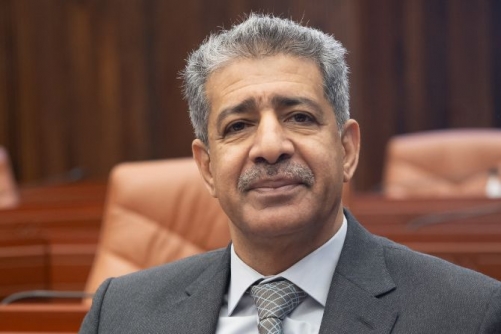
The proposal was submitted by MPs Muneer Seroor, Hanan Fardan, Lulwa Al Rumaihi, Najeeb Al Kawari and Ahmed Salman Al Ahmed.
It says household bills rise each Ramadan as spending on food, social duties and dayto-day needs increases, while pay stays the same and regular monthly payments still fall due.
In an explanatory note, the MPs argue that families are not asking for permanent waivers.
They want help aimed at the month itself, and a short spell of room to manage budgets without adding long-term costs to the public purse.
Under the plan, eligible households would receive digital Ramadan vouchers for essential goods, to be used on core food shopping during the month.
It also calls for government coordination with malls and retailers to run organised discounts on a defined list of basic items throughout Ramadan.
A further part of the proposal seeks a one-month deferral of deductions and a waiver of non-essential government fees, with no fines or interest.
Examples given include housing instalments, municipal fees and public parking charges.
The MPs also propose free entry for families in need to some government-run events during Ramadan, including selected exhibitions and cultural or leisure activities.
Eligibility would be based on the formal classifications used by the relevant authorities for low- and middle-income groups. The explanatory note says Ramadan’s fixed timetable leaves little room for slow-moving lawmaking, and that the extra strain on household spending returns each year.
It argues the measures are time-limited, can be put in place through existing government systems, and are designed to avoid permanent budget liabilities.
Related Posts