

Where Do They Belong? Designing for Stray Lives
TDT | Manama
Email : editor@newsofbahrain.com
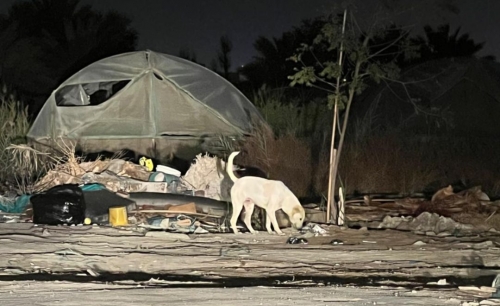
Stray animal crisis in Bahrain is never the beginning of today. It’s been going on for +10 years. Unmanaged, unnoticed, those stray lives are only noticed once an undesired attack occurs. What if the solution does not come from policy alone but also from design?
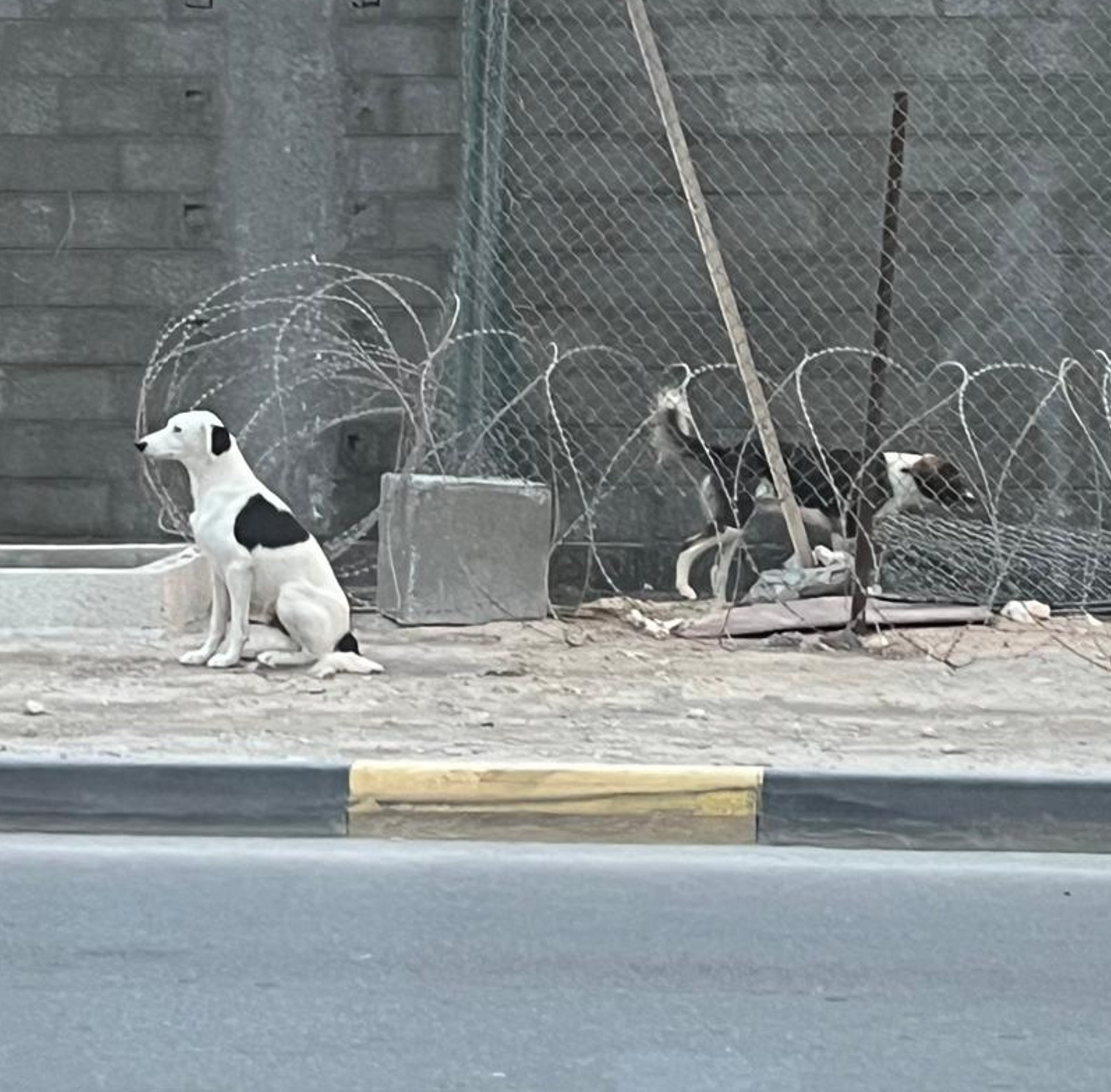
Streets of Bahrain are roamed by strays in residential neighborhoods to empty lots and many have no access to proper shelter facilities. Governmental initiatives like neutering and stray shelter facility proposals indicate some degree of improvement but rarely answer a more design-based question: Can design help animal welfare in any way?
City planners and Architects are trained to make a difference. If cities are created with enough public shaded areas, with integrated shelters, they become safer not only for people, but also for animals. This strategy is based on the growing urban well-being perspective in which animal welfare is increasingly recognized as an important dimension.
While most public conversations focus on veterinary responses, rescue efforts, or regulatory control, the built environment remains an overlooked but powerful tool in shaping humane outcomes. Bahrain has the potential to integrate thoughtful, climate-appropriate design elements that support both public safety and animal welfare.
Strays are not objects which must be taken away but are living beings forced to live in a world not designed for them. Designing for strays is not about creating luxury spaces; it is about acknowledging that the urban environment influences the behavior, safety, and stress levels of every living being that occupies it. Simple interventions, such as shaded niches within parks or community-supported micro-shelter points can reduce risks associated with extreme heat and lack of food and water.
Globally, architects and planners are beginning to adopt animal-inclusive urbanism, a movement that sees animals as co-inhabitants rather than intruders. Ultimately, designing for stray lives is an act of civic empathy, one that benefits not only the animals but also strengthens the fabric of our communities. When cities are designed with compassion, they become safer, more resilient, and more humane for all who call them home.
Now is the time for architecture to move from aesthetics to solutions. To create spaces for all the species we share our streets with.
dfgdfg
Related Posts