

Hospitals Have No Say in Medical Error Probes, Says Ministry
TDT | Manama
Email : editor@newsofbahrain.com
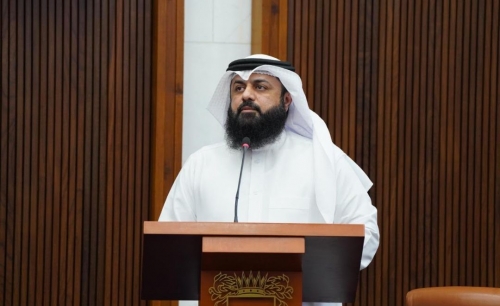
NHRA-run investigation committees, not government hospitals, decide how medical error cases are examined, the Health Ministry has told Parliament, adding that the panels apply international standards rather than internal hospital policies when issuing opinions.
In a written reply to MP Jameel Mulla Hassan, who asked about the role of public hospitals and health centres in these inquiries, the ministry said the National Health Regulatory Authority (NHRA) is the body charged by law with looking into alleged professional and ethical breaches across the health system. It cited Law 38 of 2009, which created NHRA as an independent authority with its own legal personality, and Decree-Law 32 of 2015, which gave the Supreme Council of Health the powers of NHRA’s board of directors in addition to its existing powers.
According to the reply, medical-error files are dealt with by NHRA’s technical committees for professional and ethical errors, which work under Decision 1 of 2018 issued by the chairman of the Supreme Council of Health. These committees examine patient complaints and inspection reports referred by NHRA’s chief executive or other competent units, notifications from employers of health professionals that are sent to the relevant committee, and court cases where the judiciary asks NHRA to appoint a committee as an expert.
Each committee works under the supervision of NHRA’s chief executive and is formed from specialists within the authority along with practising health professionals who have experience in their field. The panels may invite outside experts to attend meetings and give their views, and may set up temporary sub-committees in certain medical or health specialities to carry out investigations or specific tasks before sending a report back to the main committee.
The ministry said these investigation committees have full independence and come under the oversight of the Supreme Council of Health. While they may seek input from staff in any health institution, including government hospitals, such experts are chosen in a personal capacity, based on their qualifications and experience, and not as representatives of their employer. Government hospitals, the reply added, do not have the power to suspend committee members from their work or to steer the way inquiries are run.
On the rules used in medical-error cases, the ministry stated that the committees apply recognised international policies and practices across medical specialities, rather than relying on internal rules or directives from public hospitals or primary-care centres. Their opinions are issued, it said, with full impartiality and transparency and are aimed at protecting the interests of all parties to a case.
Related Posts