

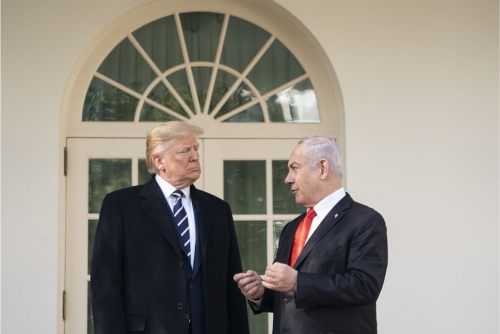
Netanyahu flags threat of solo action ahead of White House talks
Email: online@newsofbahrain.com
Jerusalem: Israeli Prime Minister Benjamin Netanyahu is hastening his visit to Washington to meet U.S. President Donald Trump this week with a central focus on Iran’s ballistic missile capabilities and ongoing nuclear negotiations, according to government announcements and diplomatic reporting. Netanyahu’s office said the talks will seek a broader framework for limiting Tehran’s military programmes, beyond the current U.S.-led focus on nuclear enrichment.
The visit, moved forward from a later date, reflects mounting Israeli concerns that discussions between Washington and Tehran may not include restrictions on Iran’s missile arsenal, which Israeli officials view as a direct existential threat. Tel Aviv has urged that any agreement also require curbs on ballistic missile production and an end to Iranian support for regional proxies such as Hamas and Hezbollah.
Israeli sources close to the government have reiterated that Jerusalem believes it must be prepared to act independently if Iran crosses a “red line” on its missile programme, even as indirect talks between the United States and Iran continue. Iran has indicated it will only negotiate on its nuclear activities and not discuss missiles, a stance that has frustrated Israeli negotiators.
President Trump has expressed cautious optimism about diplomatic engagement with Tehran, acknowledging progress in high-level contact after weeks of stalled negotiations in Oman and elsewhere, but he has also warned of “very steep consequences” if a deal cannot be reached. U.S. officials have stressed that their primary negotiation focus remains on the nuclear issue, though Trump’s position on missile matters appears more nuanced.
Netanyahu’s visit comes against a backdrop of heightened regional friction, with both Jerusalem and Washington signaling that they are considering a range of responses if Iran fails to meet key demands. Israeli leaders have made clear they see Tehran’s ballistic missiles and nuclear ambitions as intertwined threats, and they want greater U.S. backing for a tougher stance than what may emerge from current negotiations.
The outcome of these discussions could shape the next phase of U.S.–Israel regional policy, potentially redefining how Washington engages with Tehra n and whether Israel feels compelled to act without direct U.S. participation if strategic threats remain unaddressed.
Related Posts