

US trade partners cautiously welcome court tariff ruling
AFP | Washington
Email : editor@newsofbahrain.com
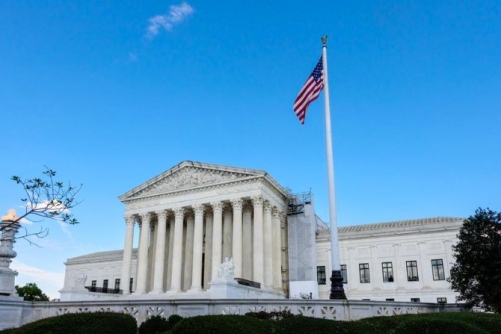
US trading partners on Friday cautiously welcomed a Supreme Court ruling striking down Trump’s global tariffs, with hard-hit Canada saying the levies were always “unjustified.”
Governments were weighing how the highly anticipated decision would impact commerce with the world’s largest economy upended through Trump’s use of executive authority to shape global trade since he took office a year ago.
Here is a look at how governments around the world reacted.
Canada
While the conservative-majority Supreme Court found by a 6-3 majority that Trump was not authorized by the International Emergency Economic Powers Act (IEEPA) to impose tariffs, the ruling does not impact sector-specific duties that Trump has separately imposed on imports of steel, aluminum and various other goods.
The Canadian Chamber of Commerce cautioned against viewing it as “a reset of US trade policy.”
“Canada should prepare for new, blunter mechanisms to be used to reassert trade pressure, potentially with broader and more disruptive effects,” the chamber’s president, Candace Laing, said in a statement.
EU
EU trade spokesman Olof Gill said that the 27-nation bloc took note of the ruling and was “analyzing it carefully.”
“We remain in close contact with the US Administration as we seek clarity on the steps they intend to take in response to this ruling,” he added. “Businesses on both sides of the Atlantic depend on stability and predictability in the trading relationship.”
German industry group BDI was upbeat, saying it sent a “strong signal for the rulesbased trading system.”
UK
Britain’s government said it plans to continue working with Washington to see how the decision will affect the trade deal reached last year between the two countries.
Global repercussions
While Trump has long used tariffs as a lever for pressure and negotiations, he made unprecedented use of emergency economic powers under IEEPA upon returning to the presidency last year to slap new duties on virtually all US trading partners.
These included “reciprocal” tariffs over trade practices that Washington deemed unfair, alongside separate sets of duties targeting major partners Mexico, Canada and China over illicit drug flows and immigration.
Related Posts