

Middle East war strains global logistics
Aid routes under pressure, UNICEF says
The United Nations children’s agency has warned that escalating disruption to global transport networks, driven in part by conflict in the Middle East, is threatening the delivery of life-saving supplies to vulnerable children.
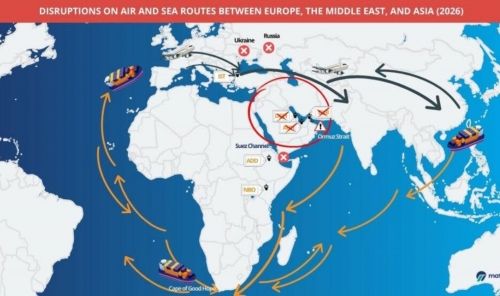
UNICEF said rising shipping costs, insecurity along key Gulf maritime routes, and severe congestion at alternative ports are combining to slow humanitarian operations and sharply increase logistics expenses.
Nearly 100 days into the conflict in the Middle East, the agency said heightened risks to shipping in the region had driven up fuel prices and insurance premiums. At the same time, diversion of cargo to alternative ports has created bottlenecks, further delaying deliveries.
UNICEF warned that it is increasingly forced to rely on air transport to move essential supplies, as sea freight becomes slower and less predictable. In the first quarter of the year alone, the agency said it had almost exhausted the annual contributions from logistics partners that typically provide donated charter flights.
It said it had been airlifting aid to Lebanon and Gaza, with delays in the supply chain now stretching between four and six weeks – a disruption it described as unprecedented.
The agency also said it had been relying on air freight to support its response to an Ebola outbreak in the Democratic Republic of Congo, as congestion continues at major ports including Mombasa in Kenya and Dar es Salaam in Tanzania.
UNICEF estimates that some shipments are now taking up to six months to reach their destinations, raising concern over the impact on emergency response efforts in multiple regions.
Related Posts