

Diving for Destiny
TDT | Manama
Email: mail@newsofbahrain.com
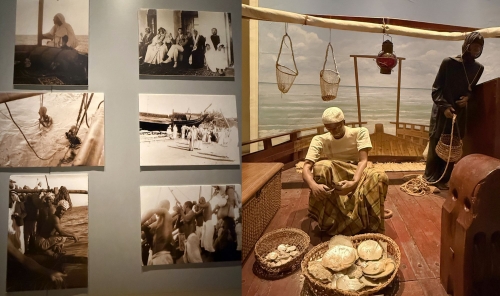
Long before oil transformed Bahrain's economy in 1932, the kingdom's fortunes were tied to the sea. Pearl diving served as the main source of income for generations of Bahrainis, as the country's natural pearls earned a reputation among the finest in the world.
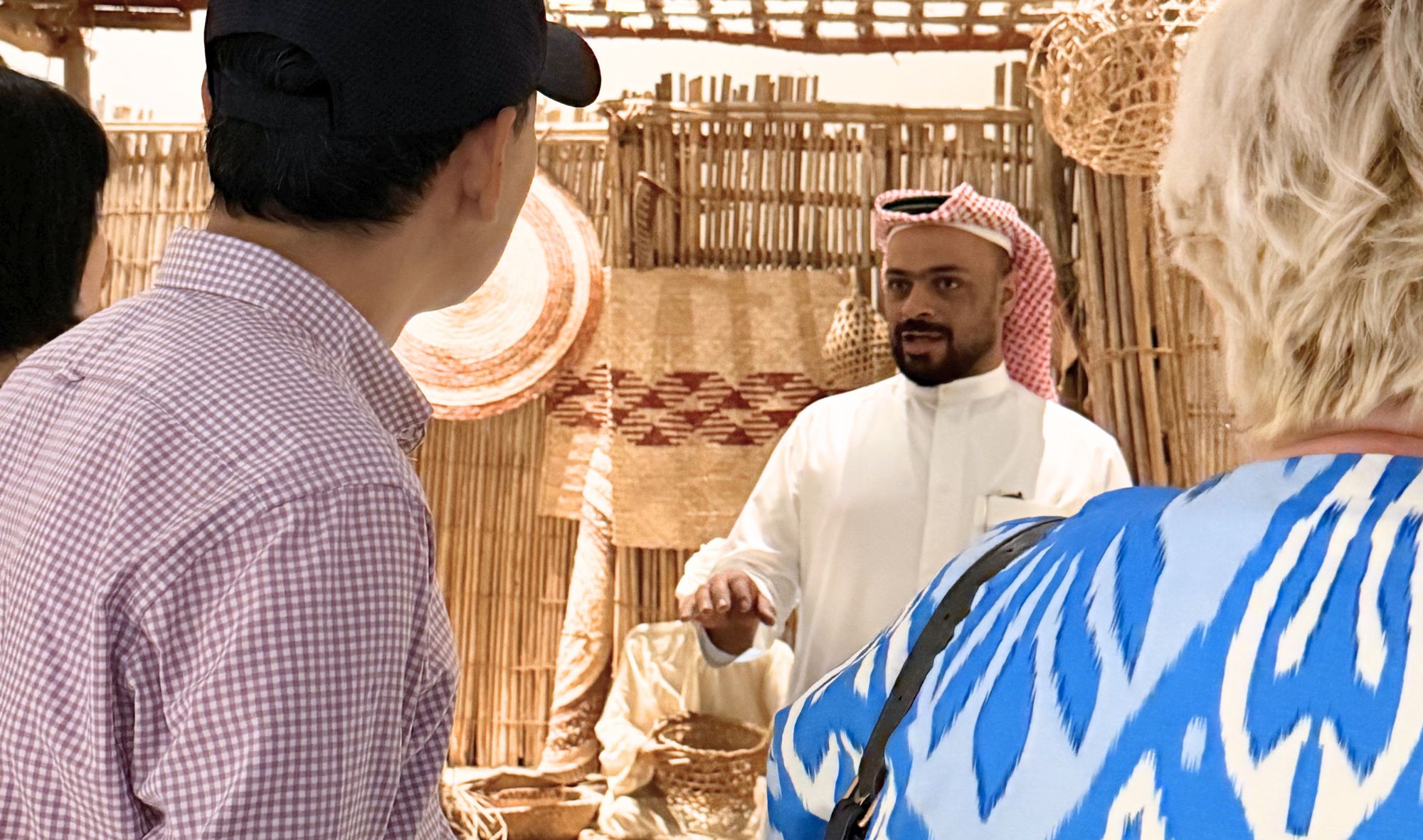
This rich maritime legacy was brought to life during a recent guided tour at the Bahrain National Museum as part of International Museum Day celebrations.
Guide Yusuf Alsaeed described the remarkable skill required of traditional pearl divers, who would descend as deep as 12 metres on a single breath in search of oyster beds. More experienced divers could go even deeper, while others used weighted stones tied to ropes to help them sink quickly to the seabed before beginning the painstaking search for pearls.
"It is a very hard profession," he explained, noting that a single necklace could take decades or even generations to complete as families searched for pearls with the perfect shape, size and colour.
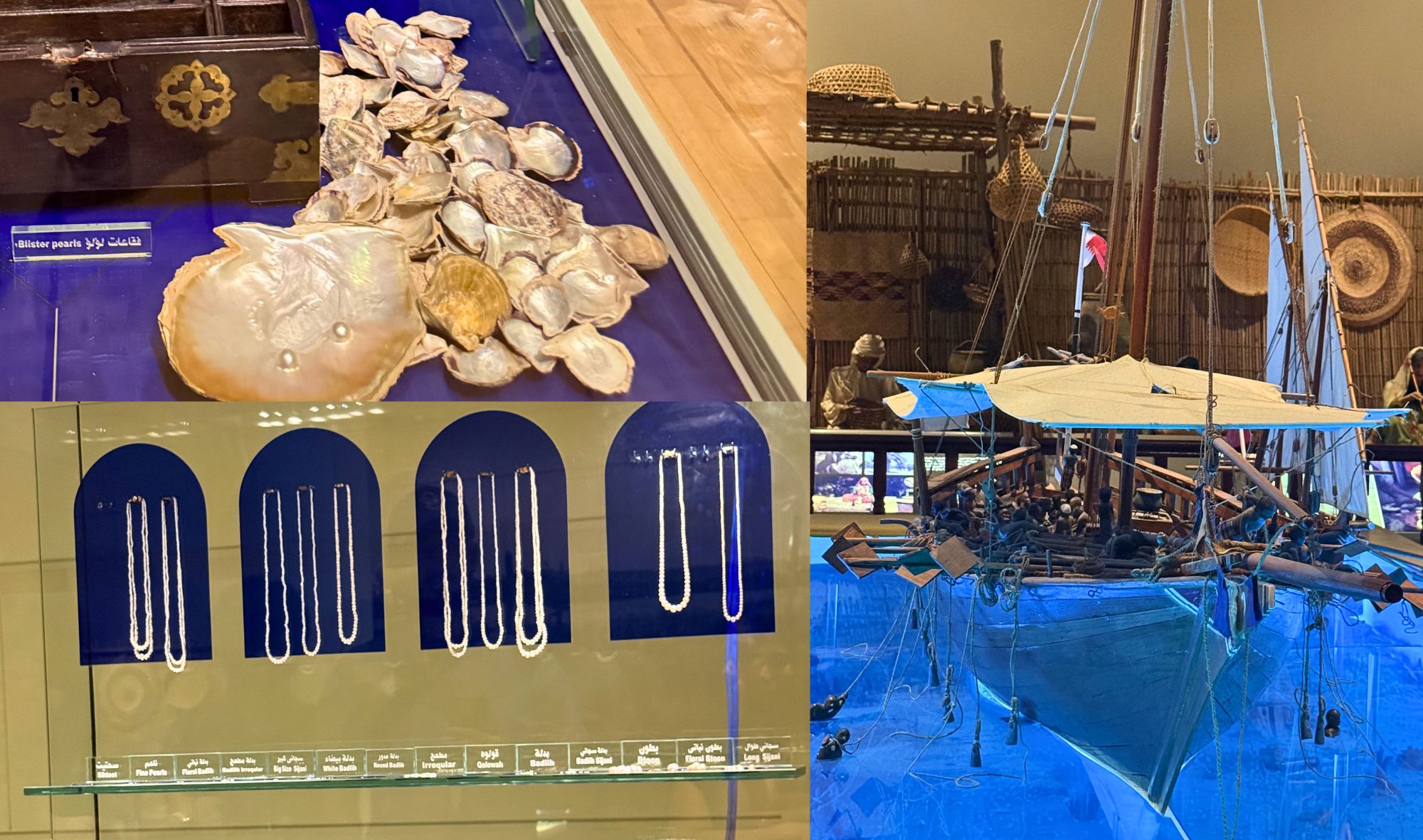
For centuries, Bahrain's natural pearls were among the most sought-after treasures in the world. Their exceptional quality was attributed to a unique environmental phenomenon found in Bahraini waters, where freshwater springs emerge beneath the sea and mix with saltwater. Divers referred to these underwater freshwater sources as "Chocheb," believing they contributed to the formation of the finest pearls.
Among the most prized finds was the perfectly round white pearl known as "Dana" - a rare gem regarded as the pinnacle of natural pearl quality. Finding one could transform a family's fortunes overnight.
Pearling was once the backbone of Bahrain's economy. Historical accounts show that around 2,500 pearling vessels would head out during diving seasons each year. Every boat carried a full crew, including divers, rope pullers, assistants and even singers whose traditional songs helped sustain morale during months spent away from home.
Yet the rewards came with enormous risks.
The Gulf waters presented constant dangers, from powerful currents and storms to marine life. Divers faced encounters with sharks, swordfish and other hazards while spending long hours underwater with minimal equipment. According to stories passed down through generations, fatalities were common, and some pearling expeditions never returned.
The guide recounted tales of large vessels disappearing at sea, taking hundreds of crew members with them - tragedies that became part of Bahrain's collective memory.
Today, the dangers of the profession are minimal, but its legacy remains deeply woven into Bahrain's national identity. Museums, heritage sites and cultural programmes continue to preserve the stories of the men who ventured into the Gulf's depths in search of nature's most valuable treasures.
For visitors, the experience offers more than a history lesson. It serves as a reminder of the resilience, sacrifice and determination that helped shape modern Bahrain - one pearl at a time.
Related Posts