

Smart Pill Shift: Bahrain Tests Pills That Can Diagnose Patients
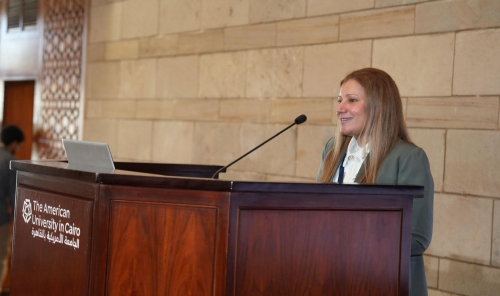
A wave of global innovation in smart medical capsules is beginning to touch Bahrain, where the devices are used in some advanced hospitals yet remain unfamiliar to most patients and practitioners. This contrast shaped the core of a widely-praised presentation by Dr Fatema Al Dhaen, Assistant Professor at Ahlia University, in Cairo, where she argued that the next phase of medical transformation is moving inside the human body through ingestible devices capable of diagnosis and treatment.
Global Momentum
Dr Al Dhaen presented her paper at the International Conference on Sustainable Business and Technology (ICBST Cairo 2025) hosted at the American University in Cairo. Her research examined how ingestible devices equipped with Internet of Things capabilities are reshaping medical practice by offering precise imaging, monitoring and intra body drug delivery. She noted that these capsules already hold approval from the United States Food and Drug Administration and are used widely in several countries. In the United States they are a primary option for diagnosing gastrointestinal diseases. Japan has integrated them into its national health insurance system for more than a decade. Hospitals across the United Kingdom’s National Health Service have adopted their use to help shorten waiting times for traditional endoscopies. Similar deployments were highlighted across European and Asian telemedicine programmes.
Local Gap
Dr Al Dhaen pointed out that Bahrain has begun to experiment with this technology. Some advanced hospitals already use ingestible capsules as a modern and safe diagnostic tool, especially for gastrointestinal examinations. She added that adoption remains limited because many patients and doctors still depend on traditional investigative procedures and awareness of the benefits of ingestible devices is low. She anticipates that usage will grow as public understanding improves and as medical institutions continue moving toward digital transformation.
Research Roadmap
During her presentation Dr Al Dhaen announced a forthcoming study using the Technology Acceptance Model and the Technology, Organization and Environment model. The research aims to identify the factors influencing adoption in Bahrain and develop a national roadmap that encourages wider use of ingestible medical devices. She explained that such a shift would support a more precise and sustainable healthcare system.
She stressed that investment in this field can strengthen Bahrain’s presence on the global digital medicine map, especially as international experience shows that smart capsules improve diagnostic accuracy and reduce the need for surgical procedures.
International Recognition
Conference participants praised the research for combining artificial intelligence, Internet of Things frameworks and digital medicine in a single model, highlighted its value for the future of sustainable healthcare, and its contribution to scientific cooperation between Bahrain and the United States.
Related Posts