

AI and cyber-security already taught in schools, says government
TDT | Manama
Email: editor@newsofbahrain.com
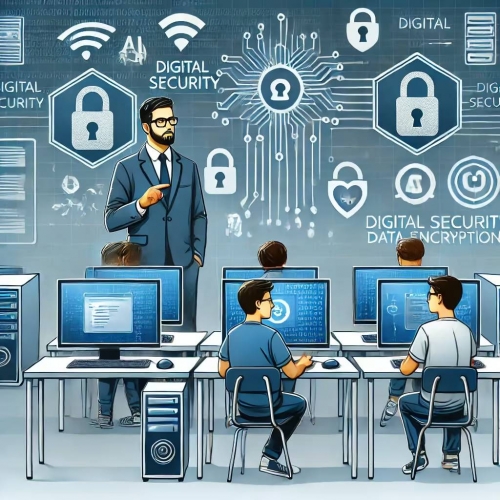
The government has backed MPs’ call to add artificial intelligence and cyber-security to public-school teaching, saying schools already cover the ground through existing courses and classroom work set out in the 2023–2026 Government Programme.
In a written reply to Parliament, the Ministry of Education says its 2023–2026 roadmap gives information technology and AI tools a central place in plans to strengthen digital infrastructure and widen digital learning.
Curricula, teaching and assessment are being refreshed to keep pace with changes in AI and cyber-security, using a general framework that allows new courses to be introduced and existing ones updated as needs arise.
Content
AI content appears in Information and Communication Technology for basic education. Primary pupils learn visual programming through Scratch, now backed by new lessons on the micro:bit, linked to simple robotics. Pupils are also taught online research and communication, the ethics of using technology, and how to protect personal data.
Course
At secondary level, the course ‘Computer Science and Artificial Intelligence’ is on offer, and cyber-security topics are being folded into the Life Skills book. Applied subjects have been reworked. Design and Technology, along with Agriculture Education and Smart Farming for primary and intermediate stages, ask pupils to use AI tools in set research tasks.
Projects
Practical texts in ‘Decoration and Arrangement’, ‘Metalwork’ and ‘Carpentry’ point pupils towards digital methods that support their projects. Programming runs through all grades. It starts with Scratch in basic education and moves to Python in the first year of secondary school, laying the base for building simple AI applications.
Technology
New material in ‘Python for Mathematics’ and in ‘Data Science’ is being prepared to help pupils design entry-level AI tools, sharpen critical and creative thinking, and explore new areas of technology. These ideas are taught through interactive projects and classroom activities that bring in pattern recognition, data analysis and the basics of machine learning.
A dedicated secondary-level book, ‘Computer Networks and Cyber-Security’, covers networks, online conduct and protection methods, how to avoid cyber-bullying, and how to keep personal data safe.
Warning
It also explains common cyber-crimes and warns against scams and extortion attempts. On that basis, the government says it agrees to the proposal, as its aim is already being met through adopted curricula, activities and programmes. More classroom content, workshops and training will follow to build pupils’ knowledge in AI and cyber-security.
The reply closes by noting continued co-operation with Parliament in the public interest.
Related Posts