

Hajj Rules Tightened
TDT | Manama
Email: mail@newsofbahrain.com
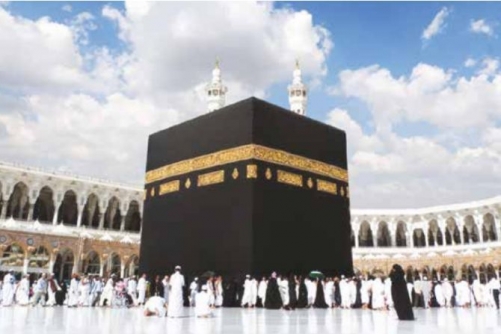
The Ministry of Interior (Saudi Arabia) announced a comprehensive set of regulatory measures for the upcoming Hajj 1447 AH season, introducing strict entry controls for Makkah, updated visa timelines, and reinforced permit requirements aimed at ensuring pilgrim safety and efficient crowd management.
In an official clarification, the Ministry said the measures are part of ongoing efforts to regulate the flow of pilgrims and maintain secure and orderly conditions during one of the world’s largest annual religious gatherings. Central to the policy is the enforcement of the rule: “No Hajj without a permit.”
Starting Monday, 25 Shawwal 1447 AH (13 April 2026), all residents wishing to enter Makkah must hold an official entry permit issued through approved government channels. Individuals without valid authorization will be denied entry. Exemptions apply to residents holding Makkah-issued identification, valid Hajj permits, or official work permits linked to the holy sites.
Permits are issued digitally through integrated platforms including Absher, Muqeem, and the unified permit system Tasreeh.
The Ministry also outlined key deadlines for Umrah procedures. The final date for Umrah visa holders to leave the Kingdom is set for 1 Dhul Qa’dah 1447 AH (18 April 2026). On the same date, issuance of Umrah permits via the Nusuk will be suspended for all categories, including citizens, residents, and visitors, until 14 Dhul Hijjah 1447 AH (31 May 2026).
Authorities further confirmed that entry into or stay in Makkah will be prohibited for all visa holders from 1 Dhul Qa’dah onward, except for those holding valid Hajj visas. Officials warned that violating the regulations will result in strict legal penalties.
The Ministry emphasized that the measures are designed to enhance safety, improve logistics, and ensure smooth crowd management during the pilgrimage season. It urged full cooperation with security and regulatory authorities, stressing that compliance is essential for safeguarding pilgrims and maintaining order throughout the Hajj period.
Related Posts