

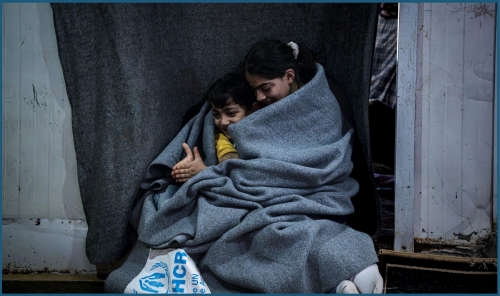
Islamic Philanthropy Supports 1 Million Refugees in 2025
UNHCR, the UN Refugee Agency, has released its 8th Islamic Philanthropy Annual Report, highlighting the growing impact of Zakat and Sadaqah donations in supporting refugees and internally displaced people amid global funding pressures.
In 2025, UNHCR received $39 million through Islamic charitable contributions, with 60% coming from MENA-based donors, including the United Arab Emirates, Qatar, and Saudi Arabia. These donations helped reach more than 1 million people across 25 countries, providing critical humanitarian support.
The Refugee Zakat Fund alone raised over $23 million, assisting 579,000 displaced people in 17 countries such as Afghanistan, Bangladesh, Egypt, India, Somalia, Jordan, Lebanon, Mauritania, Syria, and Yemen. Meanwhile, Sadaqah contributions totaled nearly $16 million, benefiting 453,000 people across 18 countries including Bangladesh, Egypt, Jordan, Libya, and Pakistan.
Dr. Khaled Khalifa, UNHCR Senior Advisor for Islamic Philanthropy, emphasized:
"These donations are more than numbers – they save lives. Zakat and Sadaqah provide practical, long-term support for refugees and displaced families, helping them rebuild with dignity during crises and budget cuts that have already forced the suspension of vital programs such as medical care, child protection, education, and shelter in countries like Egypt, Afghanistan, Lebanon, and Bangladesh."
The report also highlights UNHCR’s expanded reach in 2025, funding programs in four new countries – Brazil, Colombia, Central African Republic, and Botswana. Sadaqah Jariyah initiatives further provided essential access to clean water in Bangladesh, benefiting 280,000 people for community, agriculture, and livestock needs.
Ahead of the Holy Month of Ramadan, UNHCR is launching a new campaign urging donations to counter global funding cuts and continue delivering life-saving support to displaced populations worldwide.
Related Posts