

Dubai Launches Region’s First Horticulture & Green Cities Exhibition Under MOCCAE Patronage
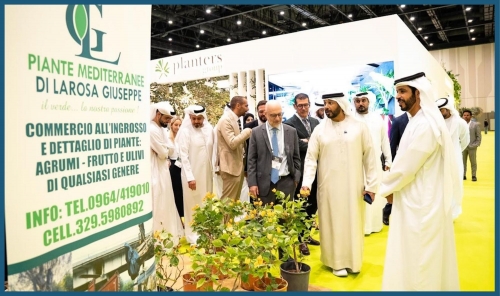
The Middle East officially stepped into a new era of sustainable urban development today as Myplant & Garden Middle East 2025 opened its doors for the very first time. Held under the patronage of the Ministry of Climate Change and Environment (MOCCAE), the exhibition debuted at the Dubai Exhibition Centre in Expo City Dubai—marking the region’s first event dedicated entirely to horticulture, landscaping, and the future of green cities.
The launch was inaugurated by HE Dr. Mohammed Salman Alhammadi, Assistant Undersecretary for the Food Diversity Sector at MOCCAE, together with HE Marwan Ahmed Bin Ghalita, Director General of Dubai Municipality. The ceremony gathered senior government officials, global delegations, and industry leaders—all united by a shared mission to reshape the environmental landscape of the GCC.
A Milestone in the Region’s Green Transformation
The exhibition arrives at a pivotal moment as Gulf nations intensify their focus on building climate-resilient, nature-positive urban centres in line with We the UAE 2031 and wider regional sustainability agendas. As the green economy gains momentum, horticulture, climate-adaptive landscaping, and sustainable infrastructure have become critical pillars for future-ready cities.
Joining the inaugural tour were prominent figures such as HE Lorenzo Fanara, Ambassador of Italy to the UAE; Andreas Kipar, member of the World Economic Forum’s Nature-Positive Cities Task Force; Francesco Santa, CEO of IEG Middle East; and Mirco Carloni, President of the XIII Commission (Agriculture) of the Italian Chamber of Deputies. Their presence underscored the depth of international cooperation fuelling the GCC’s environmental progress.
“Nature-Based Solutions Are the Future of Our Cities”
Speaking at the event, HE Dr. Alhammadi emphasized that the exhibition reflects the UAE’s long-term vision for sustainable urban transformation.
“Horticulture and the green sector play a major role in shaping the urban planning of our sustainable cities. Building smart, liveable, and climate-adaptive communities requires us to adopt innovative Nature-based Solutions,” he said.
He highlighted that green cities are not only about aesthetics—they are closely linked to food security, urban farming, and the creation of productive ecosystems.
“Collaboration is essential. This exhibition strengthens international partnerships that bring the latest innovations and expertise to our region.”
100+ Exhibitors Showcasing the Future of Green Innovation
More than 100 global exhibitors are presenting technologies tailored for arid environments—ranging from sustainable irrigation systems and climate-resilient plant production to next-generation greenhouse technologies and advanced landscape design solutions.
These innovations address the region’s most pressing environmental challenges:
• rising temperatures
• water scarcity
• desertification
• demand for cooler, healthier cities
A Three-Day Hub of Knowledge, Innovation & Strategy
Throughout the event, visitors can attend high-level conferences, expert roundtables, and hands-on workshops covering:
-
nature-positive urban planning
-
biodiversity restoration
-
water resource management
-
climate-adaptive landscaping
-
biophilic and circular design principles
-
native species cultivation
-
smart irrigation and green corridors
The programme aims to guide policymakers, developers, architects, and sustainability leaders as they build a greener, more resilient Middle East.
Shaping the Urban Future of the Middle East
Exhibition Director Valeria Randazzo noted that Myplant & Garden Middle East is set to influence long-term urban planning strategies across the region.
“Green spaces are a defining feature of future-ready cities. This platform blends global expertise with regional ambition, accelerating the path toward sustainable horticulture and resilient landscape design.”
The opening day concluded with a powerful message: the future of Middle Eastern cities must be nature-positive, climate-resilient, and human-centred. Experts highlighted how thoughtfully designed outdoor spaces drive real-estate appeal, strengthen communities, and support long-term environmental wellbeing.
Related Posts