

One Law for Medical Errors Faces Legal Doubts
TDT | Manama
Email: mail@newsofbahrain.com
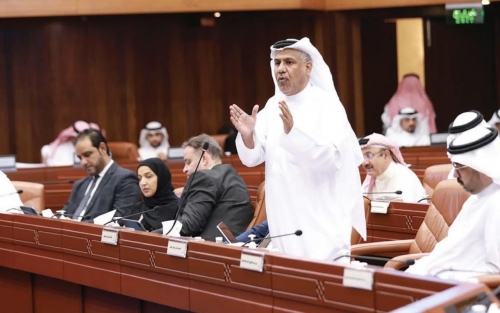
A Shura-drafted medical liability bill would leave hospitals and clinics outside its definition of a service provider while giving a new disciplinary committee final rulings, two objections raised by the government as MPs prepare to debate the plan.
Parliament’s Services Committee has filed its report on the 34-article bill, while the Legislative and Legal Affairs Committee has raised constitutional doubts over parts of it.
The government has called for the draft to be reconsidered. Other points at issue include the lack of a clear definition of ‘medical error’ and placing doctors, pharmacists and allied health workers under the same liability rules despite their different duties.
The bill, based on an amended Shura Council proposal, covers patients’ rights, healthcare providers’ duties, disciplinary cases, insurance against civil liability for medical errors, penalties and a Higher Committee for Medical Liability.
One dispute centres on who counts as a service provider.
The draft covers individuals practising medical professions but does not expressly include hospitals, clinics and other legal entities.
The government said this could leave it unclear who is liable when harm stems from poor infrastructure, a lack of equipment, administrative failings, the choice of medical staff or failures in supervision. In such cases, responsibility can rest with the institution rather than an individual practitioner.
The Higher Committee has raised a separate constitutional issue.
Its decisions would be final, with no express right for those affected to challenge them in court. The committee would have no judges among its members and, in the government’s view, would be an administrative disciplinary body.
Barring court challenges to its rulings could breach the constitutional right to litigation, it argued.
The draft also does not expressly define ‘medical error’, despite using the term in rules governing civil, criminal and disciplinary liability.
Article 10 lists cases in which a healthcare provider can be held responsible, but the government said that does not fill the gap because what counts as an error can differ between professions.
It also argued against applying the same liability rules across health professions.
Doctors diagnose patients, choose treatment and make medical decisions. Pharmacists dispense medicines and advise on their use, while allied health workers generally carry out tests, treatment plans and support work under medical supervision.
Those differences should determine how each profession is held liable, the government said.
Bahrain already has separate laws governing doctors and dentists, pharmacists and allied health workers, alongside disciplinary panels for each group under the National Health Regulatory Authority.
The government said the existing system takes account of the duties and powers of each profession and asked for the Shura proposal to be reconsidered.
The Shura Council’s explanatory memorandum argues that one law would give patients and health workers clearer rights and duties, bring medical liability rules under one statute and keep them in step with modern medicine.
It also proposes civil liability insurance for medical errors and argues that clearer rules on liability and risk could help investors weighing projects in Bahrain’s health sector.
Related Posts